


Partner Appreciation begins when you show your partner that their presence, efforts, and feelings matter to you. Discover practical ways to express gratitude, strengthen emotional intimacy, and make everyday married life feel more loving without spending a fortune or planning elaborate surprises.
KEY TAKEAWAYS
Recognize your partner’s everyday efforts with sincere gratitude, thoughtful words, attentive listening, and practical support.
Strengthen emotional intimacy by making time for meaningful conversations, sharing responsibilities fairly, and learning how your partner prefers to receive appreciation.
Build a healthier marriage through consistent kindness, honest communication, mutual respect, and a willingness to address problems rather than covering them with occasional romantic gestures.
Partner Appreciation Habits That Strengthen Love and Emotional Intimacy
Partner Appreciation means recognizing your partner’s efforts, expressing sincere gratitude, listening with care, and showing love through everyday actions. These habits help couples strengthen emotional intimacy, improve communication, and build a marriage where both partners feel valued and respected.

Understanding the Psychology of Partner Appreciation
Partner Appreciation is about more than saying thank you, buying gifts, or planning romantic evenings. It means helping your partner feel seen, respected, and valued through the words you choose and the actions you take throughout your shared life.
In marriage, familiar routines can make important contributions seem ordinary. One partner may work long hours, while the other manages household responsibilities, childcare, appointments, and countless small details that keep family life moving. Recognizing these efforts can help both partners feel that their contributions matter.

What Partner Appreciation Really Means
Genuine Partner Appreciation recognizes both what your partner does and who they are as an individual. It acknowledges their patience, kindness, determination, humor, and willingness to support the relationship without suggesting that their worth depends on how much they accomplish.
For example, thanking your spouse for helping during a stressful family situation is meaningful. Telling them that you admired their patience and appreciated the way they handled the situation makes your gratitude more personal and specific.
Why Partner Appreciation Matters in Marriage
Feeling appreciated can support relationship satisfaction by encouraging positive interactions and emotional closeness. When couples notice one another’s efforts, they may find it easier to communicate openly, acknowledge each other’s needs, and approach everyday challenges as partners rather than opponents.
However, appreciation cannot solve every relationship problem. Trust, fairness, emotional safety, and accountability remain essential, particularly when couples face repeated disagreements or unequal responsibilities.
The Difference Between Feeling Love and Showing Appreciation
You may love your partner deeply but express that love in ways they do not immediately recognize. Perhaps you work hard to provide financial security, while your spouse longs for more meaningful conversations, or you complete household tasks while your partner wishes you would acknowledge their emotional support.
Let me explain this in the clearest, simplest terms. Love is the feeling you have for your partner, while Partner Appreciation is one way you help them experience that love in everyday life. Understanding what makes each person feel valued can bring greater meaning to even the smallest interactions.
Daily Appreciation Habits That Make Your Partner Feel Valued and Loved
Meaningful Partner Appreciation rarely requires expensive gifts or complicated plans. Small, sincere actions can make a difference when they reflect genuine care and become part of how you treat each other.
Daily Appreciation begins with noticing what your partner contributes, listening when they speak, and expressing gratitude without waiting for a birthday, anniversary, or special occasion. The goal is not to create another demanding relationship checklist but to make kindness a natural part of married life.

Express Specific Gratitude Instead of Saying Thank You Automatically
A simple thank you is valuable, but explaining what you appreciated shows that you genuinely noticed your partner’s effort. Instead of saying, “Thanks for everything,” describe the action and why it mattered to you.
For example, you might say, “Thank you for picking up the groceries after work. I know you were tired, and that really helped me today.” Specific appreciation feels personal because it connects your words to a real experience.
Notice the Small Things Your Partner Does
Many expressions of care happen quietly throughout the day. Preparing breakfast, remembering an important appointment, helping a child with homework, or checking whether you arrived safely may seem ordinary, but these actions can communicate love and consideration.
Try noticing one meaningful contribution each day and acknowledging it naturally. Over time, this habit can help both partners recognize the effort behind everyday routines rather than assuming that everything simply happens on its own.
Listen Without Immediately Offering Solutions
Sometimes, your partner does not need advice or a list of solutions. They may want to explain a difficult experience, share a disappointment, or talk about something that has been weighing on their mind.
Put distractions aside when possible and ask, “Would you like me to listen, help you find a solution, or simply spend some time with you?” This simple question shows that you respect their feelings and want to understand what they need.
Give Compliments That Recognize Character
Compliments about appearance can be lovely, but appreciation becomes richer when it also recognizes personality and character. Tell your partner that you admire their honesty, patience, creativity, sense of humor, or determination.
For example, you could say, “I really admire how calmly you handled that difficult conversation.” A sincere compliment reminds your partner that you notice qualities that matter beyond their appearance or practical contributions.
Send a Thoughtful Message During the Day
A brief message can help maintain a sense of connection when work, parenting, and other responsibilities keep you apart. You might write, “I hope your day is going well,” or “Thank you for supporting me this morning. It meant a lot.”
Keep your messages natural and considerate. Partner Appreciation should communicate affection rather than create pressure for an immediate reply or turn response times into a test of love.
Show Appreciation Through Practical Help
Words matter, but actions can communicate gratitude just as clearly. If your spouse has been managing several household responsibilities, offer to take responsibility for a task rather than waiting for them to ask.
You could prepare dinner, organize the children’s school items, or handle an errand that usually falls to your partner. These actions demonstrate consideration, especially when both partners share responsibility for the work involved in maintaining their home.
Create a Small Daily Connection Ritual
A short conversation after dinner or a few quiet minutes before bed can give couples an opportunity to reconnect. Ask about something that went well, something that felt difficult, or something your partner is looking forward to.
You can also share one thing you appreciated about each other that day. Keep the routine flexible so it feels like a welcome moment together rather than another obligation to complete.
How to Appreciate Your Partner in Ways They Understand
Learn What Makes Your Partner Feel Loved
People differ in how they prefer to receive appreciation. One person may value encouraging words, while another feels more supported when their partner offers practical help, gives them undivided attention, or remembers something important.
Ask, “What small things make you feel most appreciated by me?” Listen carefully without defending your existing habits, and remember that preferences can change as your circumstances and responsibilities evolve.

Use the Action and Meaning Method
When expressing gratitude, describe what happened, explain why it mattered, and acknowledge the effort involved. This simple approach helps you move beyond general compliments and communicate a clearer understanding of your partner’s experience.
For example, you might say, “I appreciated you listening to me after work because I felt overwhelmed. Having your attention helped me feel less alone.” This kind of Relationship Gratitude connects an ordinary moment with its emotional meaning.
Make Room for Different Ways of Showing Love
Your spouse may express affection through practical support rather than frequent compliments. You might prefer conversation, while your partner demonstrates care by completing tasks, remembering details, or helping the family prepare for a busy week.
Recognizing these differences can improve understanding, but it should not become an excuse to ignore unmet needs. Both partners deserve opportunities to explain what they need and make reasonable efforts to respond with care.
Meaningful Words of Partner Appreciation for Your Husband or Wife
Appreciation Words for Your Husband
Choose words that reflect your husband’s actual qualities and actions instead of relying on exaggerated praise. You could say, “I appreciate how dependable you are when our family needs support,” or “Thank you for listening even when we see things differently.”
Other meaningful expressions include, “I admire the effort you put into our life together,” and “I love that I can share my worries with you.” The best words are those that reflect genuine observations rather than assumptions about what a husband should provide.

Appreciation Words for Your Wife
Thoughtful appreciation recognizes your wife’s individuality, contributions, and personal needs. You might say, “I appreciate the thought you put into making our home comfortable,” or “I admire the determination you show when something matters to you.”
You could also tell her, “Your feelings matter to me, and I want to understand them better.” These words communicate care while recognizing that a wife’s value extends far beyond the responsibilities she manages for her family.
How to Avoid Repetitive or Insincere Compliments
Appreciation can lose its personal meaning when the same phrases are repeated without attention to the situation. Rather than searching for increasingly impressive words, notice something specific that genuinely matters to you.
You might appreciate your partner’s patience one day, their humor the next, and their willingness to discuss a difficult issue another day. Daily Appreciation becomes more meaningful when it reflects real experiences instead of pressure to produce a compliment every day.
Partner Appreciation After Years of Marriage
Rediscover the Qualities You Admired Early On
Long-term relationships provide opportunities to understand a partner more deeply, but familiarity can make positive qualities easier to overlook. Think about the traits you admired when you first became close and consider how those qualities continue to appear in your shared life.
Perhaps your partner still makes you laugh when you are stressed, remembers small details about your preferences, or remains dependable during difficult times. Sharing these observations can renew a sense of closeness and remind both partners that they are appreciated as individuals.
Protect Time for Each Other
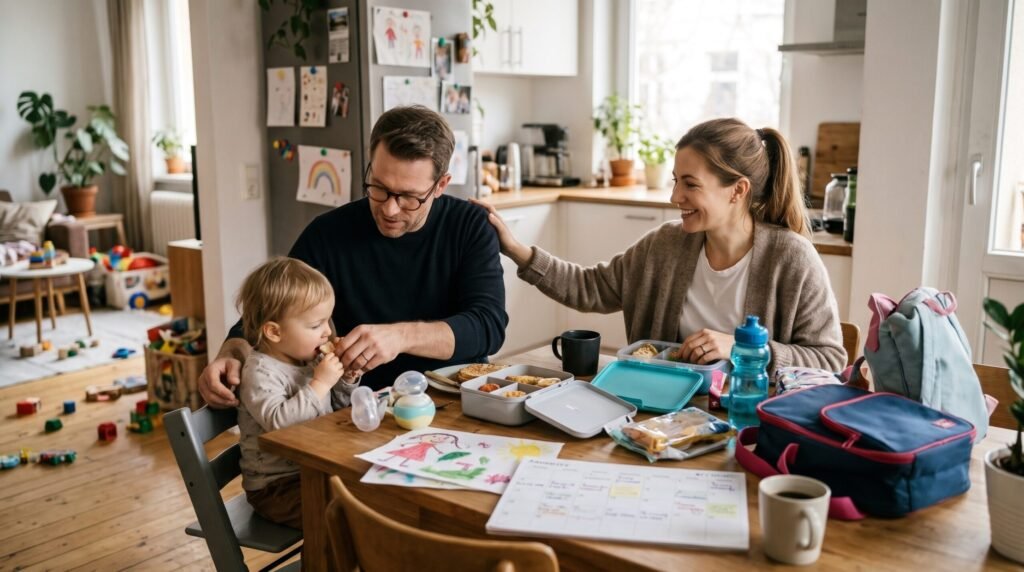
Couples do not need elaborate date nights every week to maintain their connection. A shared cup of tea, a short walk, or an uninterrupted conversation can provide valuable time together when both partners have the energy and opportunity.
During these moments, discuss more than household logistics. Talk about personal interests, hopes, concerns, memories, and future plans so you continue to understand each other as individuals rather than only as co-managers of family responsibilities.
Combine Appreciation With Fairness
A sincere thank you is valuable, but it cannot replace a fair division of responsibilities. If one partner regularly carries most of the household planning, childcare, or emotional work, occasional praise may not resolve the underlying imbalance.
Discuss what each person can reasonably manage and make adjustments when necessary. Healthy Partner Appreciation becomes more credible when both partners feel that their time, energy, and personal needs receive consideration.
A Practical Seven Day Daily Appreciation Plan
You can put these ideas into practice without attempting to change your entire relationship at once. Choose one manageable action each day, notice how it feels, and discuss what you learn together.
Use this simple table as a starting point for building a more appreciative relationship.
| Day | Daily Appreciation Strategy | Practical Action |
|---|---|---|
| Day 1 | Notice an effort | Acknowledge one contribution your partner regularly makes. |
| Day 2 | Express gratitude | Explain why a specific action mattered to you. |
| Day 3 | Listen attentively | Give your partner time to talk without unnecessary distractions. |
| Day 4 | Offer practical support | Take responsibility for a shared household task. |
| Day 5 | Give a sincere compliment | Recognize a quality you genuinely admire. |
| Day 6 | Spend meaningful time together | Choose a simple activity you both enjoy. |
| Day 7 | Reflect and communicate | Ask which expressions of appreciation felt most meaningful. |
Treat this plan as a starting point, not a test of your relationship. Daily Appreciation should help you discover what makes each other feel valued rather than create guilt when life becomes busy.
Common Partner Appreciation Mistakes to Avoid
Using Appreciation to Get Something in Return
A compliment should not become a hidden bargain. If you praise your partner only because you expect affection, agreement, or a favor in return, the gesture may feel manipulative rather than caring.
Express gratitude because you genuinely value the action or quality. If you need something from your partner, communicate that need honestly instead of disguising a request as appreciation.
Expecting Your Partner to Read Your Mind
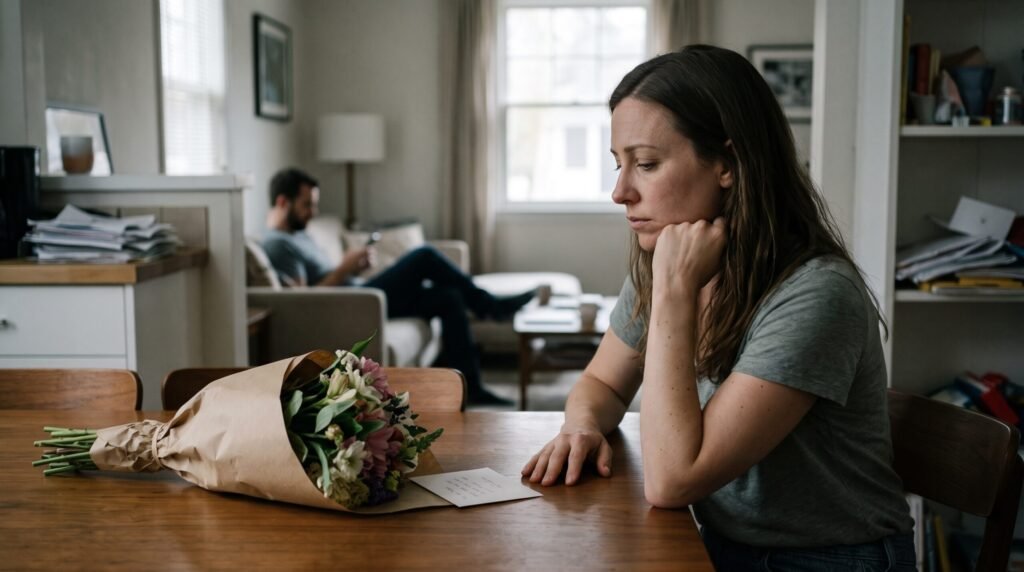
You may hope your spouse will notice your efforts without being told, but unspoken expectations can lead to disappointment. Your partner may express care differently or may not realize that a particular form of recognition matters to you.
Explain your needs clearly and invite your partner to do the same. Open communication gives both people a better opportunity to understand how to appreciate each other in ways that feel meaningful.
Ignoring Serious Problems Because of Occasional Kindness
Appreciation should never be used to dismiss repeated disrespect, harmful behavior, or unresolved concerns. A loving message or thoughtful gift does not remove the need for accountability and meaningful change.
If a relationship involves persistent emotional harm, intimidation, or controlling behavior, prioritize safety and appropriate support. Appreciation exercises are not substitutes for addressing serious relationship problems.
What to Do When Your Partner Does Not Appreciate You
Feeling that your efforts go unnoticed can be painful, especially when you consistently try to support your spouse. Rather than silently building resentment, recognize your feelings and communicate what you need from the relationship.
Explain How You Feel Without Blaming Your Partner
Choose a calm moment and describe your experience without making sweeping accusations. For example, you might say, “I’ve been feeling overlooked lately, and I would love for us to acknowledge each other’s efforts more often.”
This approach opens a conversation instead of immediately putting your partner on the defensive. Give them an opportunity to explain their perspective, then discuss practical changes that could help both of you feel more valued.
Look for Mutual Effort Rather Than Perfect Behavior
Partners will not always express gratitude at the right moment or understand each other’s needs immediately. What matters is whether both people are willing to listen, learn, and make reasonable efforts to improve the relationship.
If you repeatedly communicate your needs and nothing changes, consider whether a deeper issue is affecting your connection. A qualified relationship counselor may help you explore persistent communication difficulties when both partners are willing to participate safely.
Conclusion and Brand Credibility
Partner Appreciation is not about finding perfect words or creating a romantic moment every day. It is about making your loved one feel that their presence, feelings, and contributions matter in the life you share.
Start with something simple. Thank your partner for a specific effort, listen carefully when they need to talk, offer practical help without expecting praise, or share something you genuinely admire about them. These small choices can create more opportunities for warmth and understanding.
Prof. Waqar Ahmad recommends making appreciation part of everyday married life while maintaining fairness, honest communication, and respect for each partner’s individual needs. Couples should remember that a healthy relationship requires effort from both people, not the constant sacrifice of one person to keep the other happy.
BeautyRelationship.com is committed to sharing practical relationship and lifestyle guidance to help couples nurture stronger connections and build thriving, loving homes. Let your appreciation be sincere, your actions considerate, and your relationship a place where both partners feel valued.
About The Author