
Healthy Sibling Relationships grow through everyday moments of kindness, shared experiences, and understanding. With patient parenting and thoughtful guidance, brothers and sisters can learn to overcome disagreements, appreciate their differences, and build a connection that remains meaningful throughout life.
KEY TAKEAWAYS
Build Healthy Sibling Relationships by encouraging emotional understanding, individual attention, and respectful communication between brothers and sisters.
Reduce Sibling Rivalry and Sibling Jealousy through fair parenting, clear boundaries, and practical conflict-resolution skills.
Strengthen Sibling Bonding with shared activities, positive family traditions, and everyday opportunities to support one another.
Healthy Sibling Relationships Through Trust, Respect, Positive Parenting, and Lifelong Family Connections
Healthy Sibling Relationships develop through mutual respect, emotional understanding, positive communication, and shared experiences. Parents can reduce sibling rivalry, manage jealousy, and encourage stronger bonds by teaching children cooperation, empathy, and peaceful conflict resolution.
Healthy Sibling Relationships How to Build Strong Bonds Between Brothers and Sisters
Brothers and sisters often share some of their earliest memories, childhood experiences, and family traditions. Their relationship can become a valuable source of friendship, encouragement, and emotional support as they grow older.
However, living together does not automatically create a close connection. Differences in personality, competition for attention, Sibling Jealousy, and everyday disagreements can sometimes make family life challenging.

Healthy Sibling Relationships develop when children learn to respect one another, communicate honestly, and appreciate their individual differences. Parents can support this process through Positive Parenting, consistent guidance, and meaningful opportunities for Sibling Bonding.
The objective is not to prevent every disagreement. It is to teach brothers and sisters how to handle differences without damaging the trust and affection they share.
Why Healthy Sibling Relationships Matter for Children’s Development
A positive relationship between siblings provides children with opportunities to practice important social and emotional skills. Through everyday interactions, they learn patience, cooperation, empathy, communication, and consideration for other people’s feelings.
Let me explain this in the clearest, simplest terms. When children feel respected and accepted at home, they have more opportunities to develop meaningful connections without constantly competing for recognition or affection.
Building Trust Between Brothers and Sisters
Trust develops when siblings feel comfortable sharing their thoughts and experiences without fear of humiliation or unnecessary criticism.
Parents can encourage this by teaching children to respect personal belongings, keep reasonable promises, and avoid using private information to hurt one another.
Developing Empathy and Emotional Understanding
Children have different emotional needs, and recognizing these differences is an important part of healthy family relationships.
Encourage children to notice when a brother or sister feels disappointed, excited, worried, or lonely. Simple gestures, such as offering help or listening patiently, can strengthen their emotional connection.
Creating a Strong Sense of Family Belonging
Children benefit from feeling that they have an important place within their family.
When brothers and sisters include one another, celebrate achievements, and offer encouragement, they develop shared experiences that can become meaningful memories throughout adulthood.
10 Effective Positive Parenting Strategies for Healthy Sibling Relationships
Parents influence how children learn to communicate, cooperate, and respond to disagreements. Their everyday behavior can help establish a home environment where respect and affection are more important than competition.

1. Create Opportunities for Quality Family Time
Regular family activities allow children to enjoy one another’s company without focusing on disagreements.
Plan simple activities such as evening games, weekend walks, shared meals, or creative projects. Allow children to contribute ideas so everyone feels included.
2. Avoid Favoritism and Unhealthy Comparisons
Every child has individual strengths, interests, and abilities. Comparing academic results, appearance, or achievements can encourage Sibling Rivalry and make children feel less appreciated.
Recognize personal progress instead. Praise each child’s efforts without making affection or approval appear dependent on performance.
3. Encourage Cooperation Instead of Competition
Give brothers and sisters opportunities to work toward common goals.
For example, they can prepare a simple meal, organize their play area, complete a puzzle, or decorate a family space together. Such experiences encourage teamwork and demonstrate the value of supporting one another.
4. Give Every Child Individual Attention
One of the most helpful ways to reduce Sibling Jealousy is to make each child feel important independently of their brothers and sisters.
Spend a little time talking, reading, or enjoying an activity with each child separately. Listen to their concerns and show genuine interest in their individual experiences.
5. Teach Respectful Communication
Good communication helps children express frustration without insulting or hurting one another.
Encourage statements such as, “I felt upset when you took my book without asking.” This teaches children to explain their feelings rather than blaming others or starting another argument.
6. Manage Sibling Conflict Constructively
Sibling Conflict often begins with small situations involving toys, shared spaces, personal belongings, or parental attention.
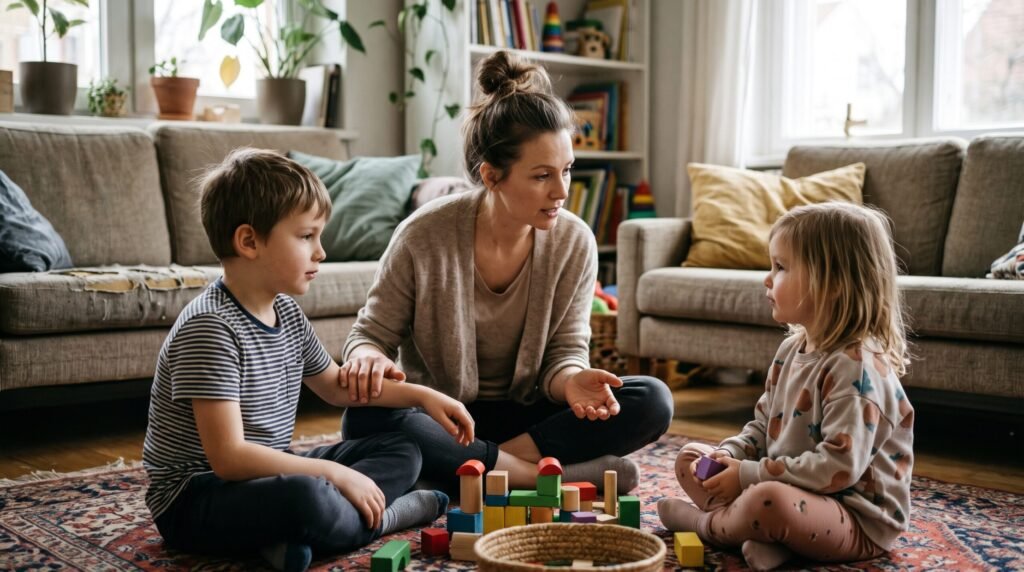
Teach children to listen to both perspectives, calm down before responding, and suggest reasonable solutions. Intervene when behavior becomes aggressive, threatening, or intimidating.
7. Respect Individual Personalities and Boundaries
Being brothers and sisters does not mean children must share every possession or enjoy identical activities.
One child may enjoy sports, while another prefers reading or drawing. Encourage them to appreciate these differences and respect privacy, personal belongings, and individual choices.
8. Recognize and Appreciate Acts of Kindness
Notice positive interactions whenever they happen naturally.
When one sibling helps another with homework, shares something willingly, or offers comfort after a difficult day, acknowledge the thoughtful behavior. Positive recognition can encourage more considerate interactions.
9. Establish Meaningful Family Traditions
Family traditions create opportunities for children to enjoy shared experiences.
A weekly movie night, birthday celebration, holiday gathering, or regular family dinner can become something brothers and sisters look forward to enjoying together.
10. Teach Apologies and Relationship Repair
Disagreements can happen even between children who care deeply about one another.
Help children understand how their behavior affects others. Encourage sincere apologies, taking responsibility, and making an effort to correct mistakes.
Forgiveness should not mean accepting repeated bullying or harmful behavior. Strong relationships also require safety and healthy boundaries.
Practical Sibling Bonding Activities for Stronger Family Connections
Children often develop closer relationships when they have opportunities to enjoy positive experiences together. Parents can introduce simple activities that encourage cooperation without making family time feel like another responsibility.
Enjoy Cooperative Games and Family Challenges
Choose activities that encourage teamwork rather than constant individual competition.
Complete a large family puzzle.
Organize a treasure hunt at home.
Build something together using construction toys.
Play cooperative board games.
Create a family quiz using shared memories.
Prepare Meals and Complete Household Projects Together
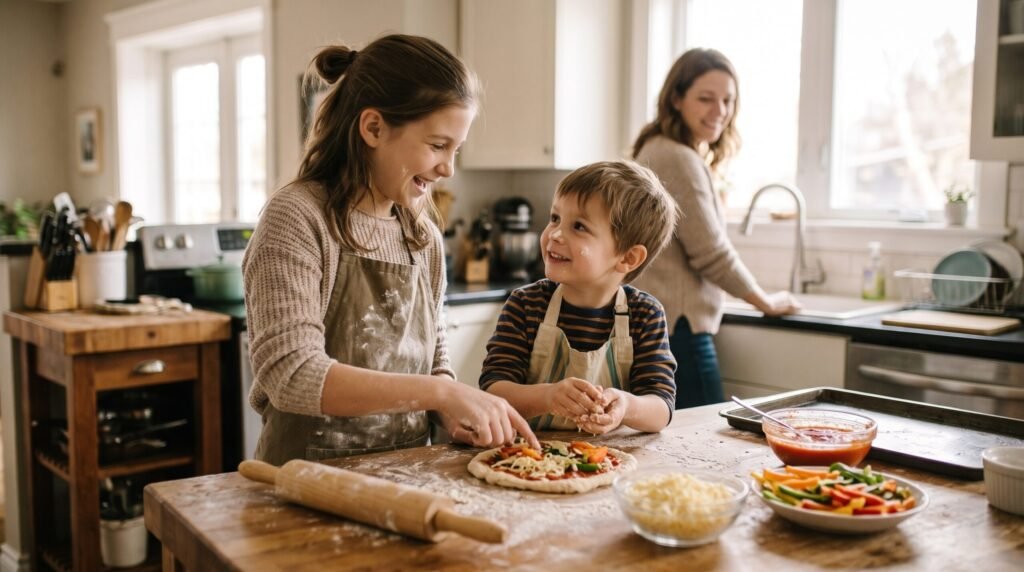
Cooking provides a natural opportunity for siblings to communicate and cooperate.
Older children can help with age-appropriate tasks while younger children participate in simpler activities under supervision. Focus on enjoying the experience rather than expecting perfect results.
Plan Outdoor Activities and Family Outings
Outdoor experiences give children a refreshing break from their usual routines.
Consider visiting a park, enjoying a family picnic, cycling together, or planning a nature walk. Shared adventures can become positive memories that siblings remember as they grow older.
Explore Creative Activities and Shared Hobbies
Encourage brothers and sisters to discover activities that interest them both.
Drawing, storytelling, gardening, photography, and craft projects can help children find common interests while respecting their individual abilities.
How to Reduce Sibling Jealousy and Prevent Sibling Rivalry
Sibling Jealousy can weaken family relationships when children believe their brothers or sisters receive more attention, privileges, or appreciation.
Parents should recognize these feelings rather than dismissing them as unnecessary complaints. Understanding the emotional reasons behind Sibling Rivalry can help families address problems before resentment becomes deeply established.

Recognize Each Child’s Emotional Needs
Listen carefully when a child says they feel ignored or unfairly treated.
Avoid immediately dismissing their concerns. Ask what happened, acknowledge their feelings, and explain family decisions in an age-appropriate way.
Establish Fair Rules for Everyone
Household expectations should be clear and consistent.
Respect each other’s belongings.
Avoid name-calling and threatening behavior.
Take turns using shared items.
Respect bedroom privacy and personal space.
Discuss disagreements calmly.
Different ages may require different privileges, but basic respect should apply to every family member.
Resolve Disagreements Without Unfairly Taking Sides
When children argue, allow each sibling to explain what happened.
If the disagreement is minor and everyone is safe, encourage them to suggest a solution. Parents should intervene immediately when a situation involves physical aggression, threats, or bullying.
Age-Appropriate Ways to Develop Healthy Sibling Relationships
Children develop social and emotional skills at different rates. Parents should therefore choose activities and expectations that match their children’s developmental needs.
| Age group | Common relationship challenge | Recommended parenting strategy |
|---|---|---|
| Toddlers | Grabbing toys and difficulty sharing | Supervised play and simple turn-taking |
| Preschoolers | Jealousy and attention-seeking | Storytelling and cooperative games |
| School-age children | Competition and disagreements | Shared projects and teamwork |
| Teenagers | Privacy and different interests | Respectful conversations and shared hobbies |
| Adult siblings | Distance and unresolved disagreements | Honest communication and regular contact |
Parents should avoid forcing children to spend time together when they need personal space. Positive Sibling Bonding grows through encouragement, understanding, and enjoyable experiences rather than pressure.
A Practical Family Strategy Table for Better Sibling Relationships
Consistent habits can make family relationships more supportive. Parents can introduce the following strategies gradually to improve everyday interactions.
| Parenting strategy | Practical family action | Expected benefit |
|---|---|---|
| Quality time | Enjoy regular family activities | Positive shared memories |
| Individual attention | Spend time separately with each child | Greater emotional security |
| Communication | Encourage calm conversations | Better understanding |
| Cooperation | Complete projects together | Stronger teamwork |
| Appreciation | Recognize helpful behavior | More kindness and respect |
| Family traditions | Organize weekly activities | Stronger family connections |
| Conflict resolution | Listen to both perspectives | Healthier relationships |
Parents can begin with two or three strategies rather than changing the entire family routine at once. Consistency is more valuable than trying to create a perfect household.
Maintaining Healthy Sibling Relationships as Children Grow Older
Sibling relationships naturally change as children move from childhood into adolescence and adulthood. Different interests, responsibilities, friendships, and lifestyles can affect how frequently brothers and sisters spend time together.

Respect Changing Interests and Responsibilities
Older children may become more independent and spend less time with younger siblings.
Parents should not interpret every difference as a relationship problem. Give children opportunities to reconnect naturally while respecting their growing independence.
Encourage Support During Difficult Times
Teach siblings that family relationships involve offering help without expecting something in return.
Listening during stressful situations, celebrating important achievements, and showing concern during difficult moments can help maintain trust and affection.
Keep Family Connections Alive
Simple traditions, celebrations, and regular conversations can help brothers and sisters stay connected.
Even when adult siblings live separately, thoughtful messages, occasional visits, and shared family occasions provide opportunities to maintain their relationship.
Conclusion and Brand Credibility
A strong relationship between brothers and sisters is built through ordinary moments that gradually become meaningful memories. Sharing experiences, respecting differences, resolving disagreements, and showing kindness can help children develop connections that remain valuable throughout life.
Parents cannot control every aspect of their children’s relationships, but they can create an environment where affection, understanding, and cooperation have room to grow.
Prof. Waqar Ahmad recommends making family connection a regular part of everyday life rather than treating it as something reserved for special occasions. Patient communication, individual attention, and consistent encouragement can make a meaningful difference in how siblings understand and support one another.
This unique perspective and practical family guidance are exclusively delivered through beautyrelationship.com to help families build supportive, caring, and loving homes.
About The Author