
Parenting Styles and Child Development:
Parenting Styles are the patterns of behaviors, attitudes, and strategies parents use to raise their children. These approaches determine how parents balance responsiveness (warmth, empathy, support) and demandingness (expectations, rules, discipline). The way a parent defines their style of parenting directly impacts a child’s social, academic, and emotional development.
Developmental psychology identifies that early attachment and consistent caregiving are critical for children’s sense of safety and exploration. Different parenting types—whether authoritative parenting, authoritarian parenting, permissive parenting, or neglect parenting style—create unique environments. These environments shape personality, emotional regulation, resilience, and long-term identity.
A parenting styles chart often maps parental approaches on two dimensions: warmth versus control. This framework explains why children from authoritative parents often thrive, while those under strict parenting style or permissive indulgent parenting may struggle with regulation or autonomy.
Evolution of Parenting Approaches and Types of Parenting Across Childhood Stages:
Parenting styles in psychology are not fixed. A parent may adjust expectations and discipline as children transition from infancy to adolescence.
Infancy and Toddlerhood: Responsive and nurturing parental styles support secure attachment.
Early Childhood: Children begin testing boundaries. Here, authoritative parenting style—firm yet warm—encourages self-control.
Middle Childhood: Peer influence grows. Parents using different parenting techniques must balance guidance and autonomy.
Adolescence: Conflict and autonomy-seeking rise. Parents practicing authoritarian parenting may face rebellion, while permissive parenting risks lack of direction.
Thus, types of parenting methods are dynamic, influenced by developmental needs, context, and culture.

Cultural and Temperamental Influences on Different Parenting Styles:
Cultural values shape what is considered a “good” parenting style definition. For instance, East Asian families may favor tiger parenting—strict, achievement-focused—while Western contexts often emphasize gentle parenting definition and child autonomy.
Child temperament also interacts with parenting. A highly reactive child may struggle under strict parents, but thrive under responsive parenting. Conversely, easygoing children adapt across different types of parenting styles but flourish most with balanced authoritative parenting.
Even within cultures, differences emerge. For example, free-range parents allow independence, while helicopter parenting or curling parenting involves overprotection.
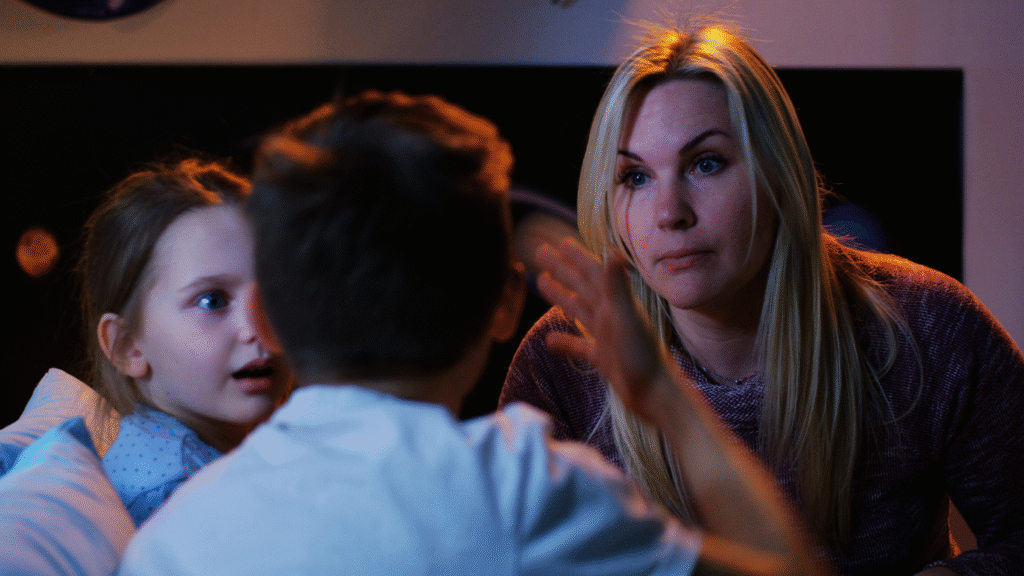
Historical Foundations of Child Rearing Practices and Parenting Philosophy:
The idea of styles of parenting has evolved with philosophy and history. From John Locke’s “gentle discipline” to Rousseau’s natural growth, child-rearing philosophies shifted with social and economic changes.
Modern psychology formalized these perspectives through Baumrind’s 4 parenting styles. Today, researchers still debate parenting styles theory, contrasting authoritarian vs authoritative or permissive vs neglectful approaches. These debates fuel both parenting books and parent groups that seek to define what are the different parenting styles.
Baumrind’s Typology: The Four Parenting Styles in Psychology:
Baumrind classified the four types of parenting styles:
Authoritative Parenting – High warmth, high control.
Authoritarian Parenting – Low warmth, high control.
Permissive Parenting – High warmth, low control.
Neglectful Parenting Style – Low warmth, low control.
This 4 styles of parenting psychology model remains foundational, appearing in AP courses, research, and parenting classes near me programs.
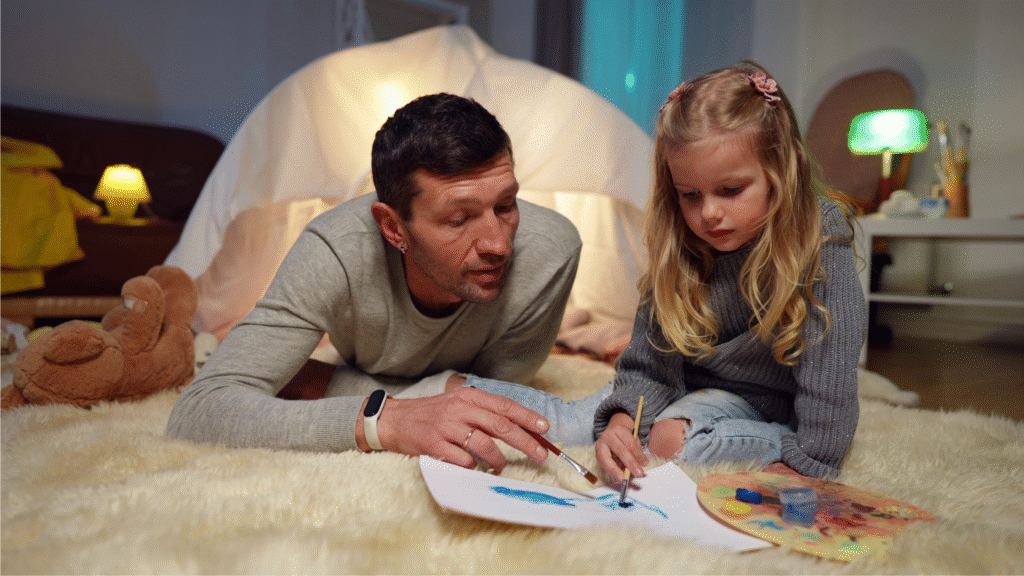
The Four Core Parenting Styles Explained:
Authoritative Parenting Style: Encourages independence within structure. Considered the most effective parenting style in many studies.
Authoritarian Parenting Style: Demands obedience, rewards rule-following but often damages self-esteem.
Permissive Parenting: Offers unconditional love but lacks boundaries, leading to poor self-regulation.
Neglectful Parenting Style: Characterized by absence, often leading to poor outcomes in emotional and academic growth.

Contemporary Perspectives on Parenting Outcomes and Parenting Styles Defined:
Modern research emphasizes that psychological parenting styles interact with socioeconomic context, culture, and parent mental health. While authoritative authoritarian permissive neglectful remain categories, many families blend different parenting methods.
For example, liberal parenting, green parenting, or intentional parenting reflect evolving values. These highlight that define parenting style is not static but adaptive.
Distinction Between Parenting Styles and Parenting Practices:
Parental style is the overarching emotional climate, while parenting practices are daily actions—discipline, routines, involvement. Two parents may share a style parentale but differ in different parenting techniques.
For instance, both may be authoritative, yet one enforces rules through natural consequences while another uses structured schedules. This distinction is crucial in parent psychology.
Attachment Theory, Parenting Styles Chart, and the Parent–Child Bond:
Bowlby’s attachment theory explains how secure bonds form when parents are responsive. A parenting styles chart maps how warmth and control influence attachment:
Authoritative parents often foster secure attachment.
Authoritarian authoritative may lead to anxious attachment.
Permissive indulgent parenting risks over-dependence.
Neglect parenting style leads to disorganized attachment.
Thus, different styles of parenting influence lifelong relational patterns.
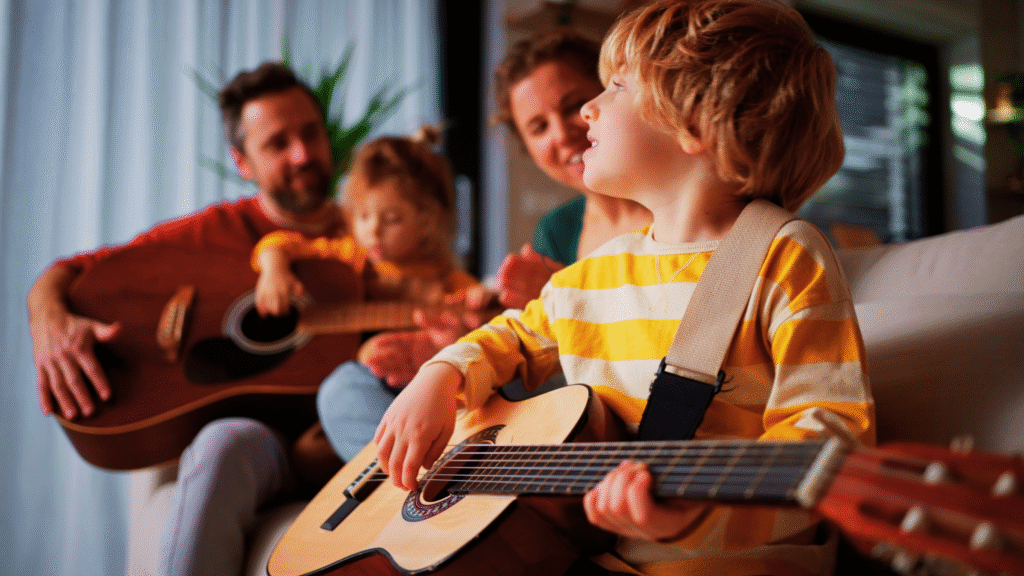
Alternative and Emerging Parenting Types:
Beyond the 4 parenting types, new categories include:
Gentle Parenting – Respect, empathy, boundaries.
Lighthouse Parenting – Guidance like a lighthouse beam.
Soft Parenting – Overlaps with permissive but focuses on empathy.
Hellicopter Parenting – Overinvolvement; often asked, “what is helicopter parenting?”
Tiger Parent / Tiger-Parent – Strict, achievement-driven.
Free-Range Parenting – Encouraging independence.
Bulldozer Parent – Removing obstacles to shield children.
Curling Parenting / Horizontal Parenting Ideas – Subtle variations of overprotection.
These different parenting types reflect cultural, psychological, and generational changes.
Parenting in Cultural Context:
Cross-cultural studies show different types of parenting styles yield varied outcomes. In collectivist cultures, authoritarian vs authoritative has different implications than in individualist cultures.
Latin American families, for example, describe estilo de crianza or estilos de crianza parentales in family-centered ways, while German psychology discusses erziehungsstile. In AP courses, students often ask, “how many parenting styles are there?”—a question that shows the ongoing global interest.
Critiques of Parenting Styles Theory:
Critics argue parenting styles defined oversimplify reality. Children’s outcomes depend not only on 4 type of parenting style categories but also on stress, poverty, or trauma. Parenting books may promote simple formulas, while parenting classes free near me offer practice-based skill development.
Parenting and Adolescence:
During adolescence, conflict intensifies. Authoritative vs authoritarian parents differ in managing autonomy. Tough love parenting may work temporarily but risks alienating teens. Research shows styles of parenting directly affect identity formation.
Parenting Neurodivergent Children:
Parents of children with ADHD or autism adapt their types of parenting skills. Responsive parenting with structure is crucial. Here, different types of parenting are not applied rigidly but tailored. Tilt parenting communities support these families.
Impact of Parenting Styles on Development:
Studies confirm:
Authoritative parenting style correlates with higher grades.
Permissive parenting links with lower impulse control.
Neglectful parenting style predicts risk behaviors.
Authoritarian authoritative mix correlates with obedience but poor emotional health.
The Role of Parent Personality and Mental Health:
Parent personality assessment tools show that anxious or depressed parents may drift toward neglectful parenting style or authoritarian parenting style. Stress levels also affect whether parents adopt different parenting methods.
Long-Term Effects of Different Parenting Styles:
Adults raised by authoritative parents show higher self-esteem, healthier relationships. Those under narcissistic dad or critical parents often struggle with intimacy. Thus, parenting styles theory also connects with adult identity.
Future Directions in Parenting Research:
Emerging studies explore:
Technology and parenting practices.
Diversity in universal parenting approaches.
Intersection of trauma, resilience, and generative parenting.
Application of parenting styles AP psychology frameworks in global contexts.
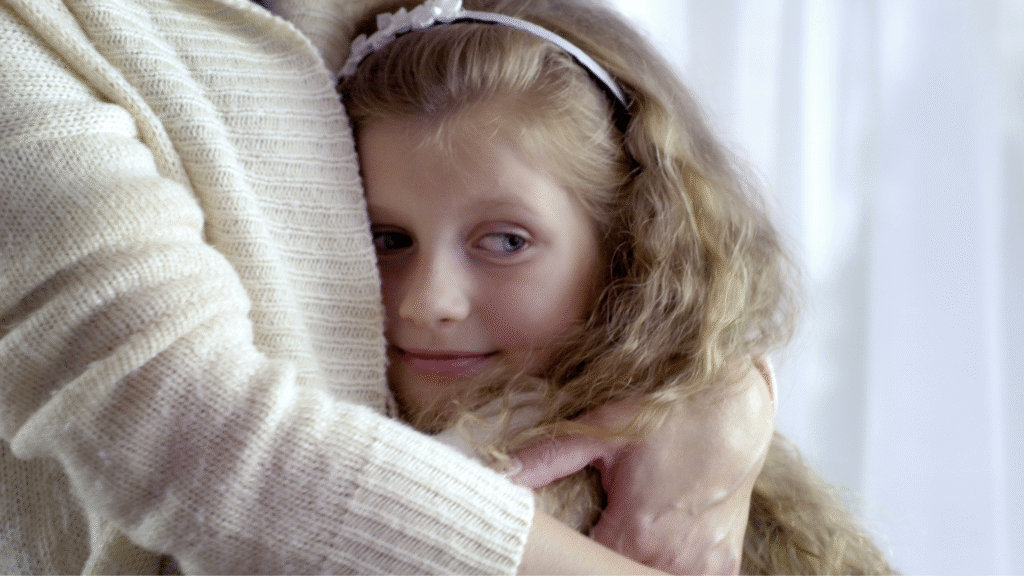
Dysfunctional Patterns:
While four parenting styles capture healthy variations, many families fall into dysfunctional parenting styles that harm children. Dysfunction emerges when parental types involve neglect, manipulation, or abuse, disrupting family systems.
Signs of Dysfunctional Parenting:
Indicators include:
Conditional love
Emotional neglect
Ridicule and shame
Overprotection
Strickt parents applying harsh, unpredictable punishment
Dysfunctional Typologies:
Narcissistic Dad – Uses child to fuel ego.
Critical Parents – Undermine self-worth.
Bulldozer Parent – Eliminates all obstacles, reducing resilience.
Guard Dog Parent – Hyper-vigilant protector.
Cheerleader Parent – Over-encourages without correction.
Public Image Manager – Prioritizes appearances.
Münchausen by Proxy – Extreme psychological disorder.
Cross-Cultural Variations:
Even dysfunction varies. For example, dogmatic or cult-like parental styles may dominate in rigid religious communities, while green parenting gone extreme may lead to restrictive diets affecting health.
Consequences of Dysfunctional Parenting Styles:
Emotional/Psychological: Anxiety, depression, insecure attachment.
Social: Poor relationships, distrust.
Academic: Lower achievement, poor concentration.
Intergenerational: Trauma and dysfunction passed down.
Interventions and Prevention:
Support exists through:
Parenting classes near me or parenting classes free near me.
Books on parenting styles that provide strategies.
Parent groups like contact famousparenting or talk parenting networks.
Therapy and mental health resources.
Conclusion:
No single type of parenting styles guarantees success. Balanced parenting approaches, adapted to cultural realities, child temperament, and family context, produce the healthiest outcomes. Dysfunctional parenting styles erode children’s confidence and growth. By identifying harmful patterns and shifting toward positive parenting styles, families can build resilience, healing, and healthier systems.