

Family traditions bring families closer through simple moments that children remember for years. Discover easy, meaningful ways to create family memories, strengthen emotional bonds, and build traditions your kids will cherish as they grow.
KEY TAKEAWAYS
Family traditions help children feel loved, secure, and connected through meaningful shared experiences.
Simple activities like bedtime stories, family meals, weekend walks, and seasonal celebrations can create lasting memories without spending much money.
Keep traditions enjoyable, flexible, and consistent by choosing activities that fit your family’s interests, schedule, and budget.
Family Traditions That Bring Parents and Children Closer Through Simple, Meaningful Experiences
Family traditions are meaningful activities that families repeat to create lasting memories, strengthen relationships, and help children feel connected. From bedtime stories and weekly meals to seasonal outings and cultural celebrations, simple family rituals can build belonging without requiring expensive plans.

Building Lasting Family Traditions Simple Ways to Create Unforgettable Memories with Your Kids
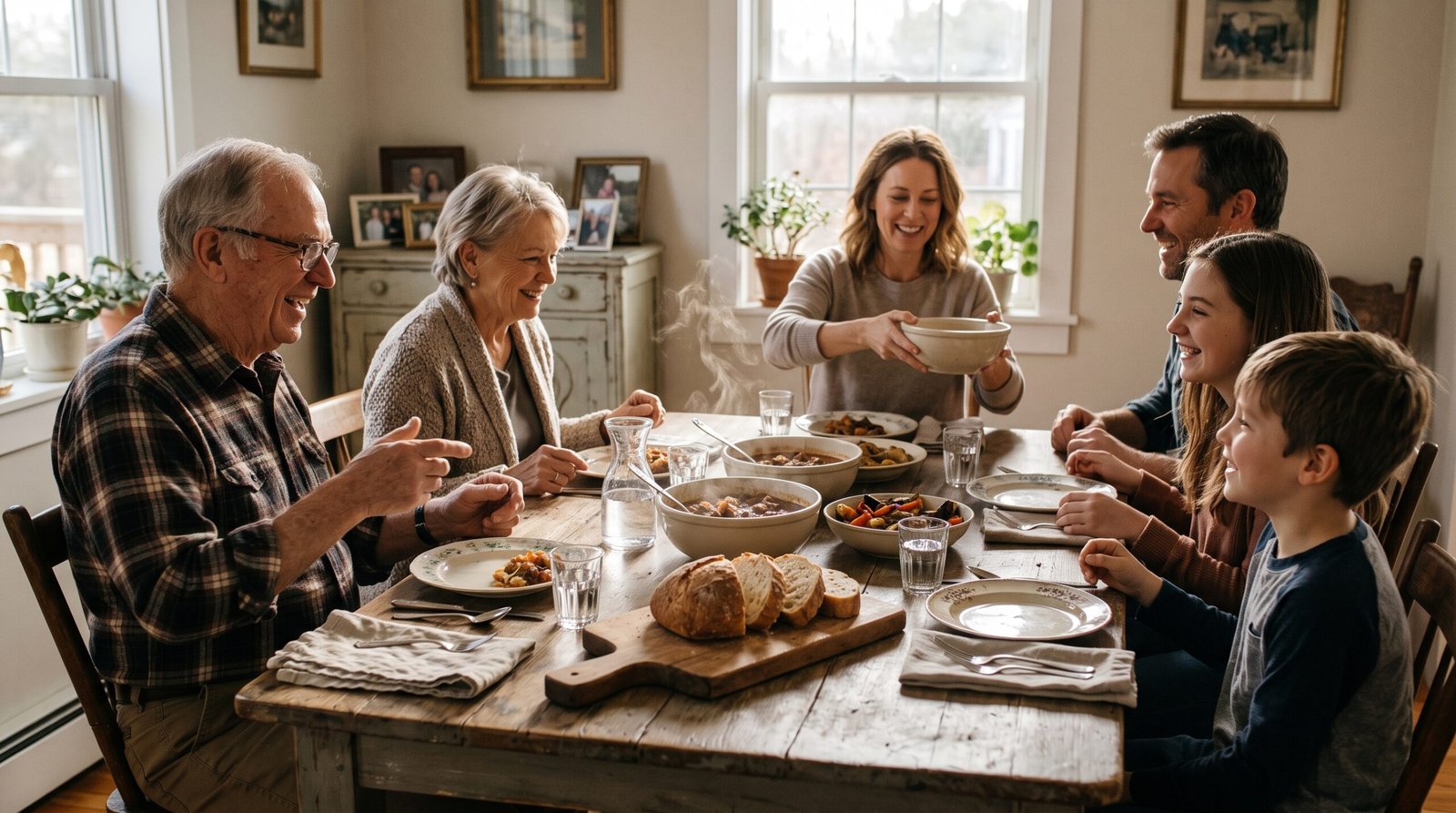
Family traditions bring people closer through the little things they enjoy doing together. Whether you share a favorite meal, tell stories before bedtime, or celebrate special occasions in your own way, these experiences can help children feel loved, connected, and proud of their family.

Why Family Traditions Matter in Childhood
Family life can become busy with school, work, household responsibilities, and digital distractions. In the middle of these demands, familiar family rituals offer opportunities to slow down, enjoy each other’s company, and create memories that children may carry into adulthood.
Family traditions do not have to be elaborate celebrations or expensive outings. Their meaning often comes from repeating an enjoyable experience and sharing it with people who matter.
Creating a Sense of Belonging
Children gradually learn about their family through everyday experiences, shared stories, and the ways family members treat one another. A special greeting, a weekly meal, or an annual family photograph can become a reminder that they belong to something meaningful.
Parents can make these moments more valuable by allowing every family member to participate. When children help choose an activity or contribute an idea, they can feel that their preferences matter.
Passing Down Family Values and Heritage
Family traditions provide natural opportunities to share cultural customs, family history, and important values. Preparing a traditional recipe with grandparents, learning a family language, or listening to stories about earlier generations can help children understand where their family comes from.
These activities can also teach kindness, gratitude, patience, and cooperation. Rather than delivering a long lecture about good behavior, parents can demonstrate these values through the way they celebrate, help others, and spend time together.
Understanding Routines and Traditions
Family routines and family traditions are closely related, but they serve slightly different purposes. A routine helps everyday life run smoothly, while a tradition adds personal meaning to an activity that family members enjoy repeating.
| Everyday routine | Meaningful family tradition |
|---|---|
| Eating dinner to follow a schedule | Sharing a favorite meal every Sunday |
| Reading before bedtime | Letting a child choose a special story each Friday |
| Taking photographs during outings | Creating an annual family photo album |
| Visiting relatives when convenient | Having a regular family storytelling afternoon |
| Going for a walk for exercise | Taking a familiar seasonal walk together |
An ordinary routine can become a tradition when the family gives it a special purpose or shared meaning. The important point is not how unusual the activity looks to others, but how much it means to the people participating.
Simple Family Traditions to Start at Home
Some of the most memorable family experiences begin with activities parents already do. Instead of planning a completely new event, consider adding a small ritual to an existing meal, bedtime, weekend, or celebration.
Start a Weekly Family Night
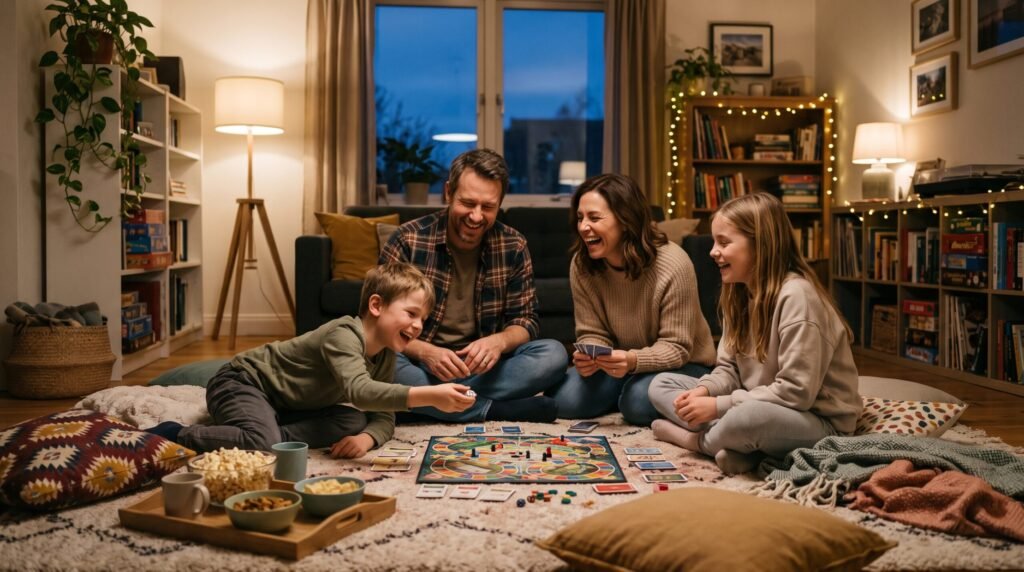
Choose one evening when everyone can enjoy an activity together. You might play board games, prepare homemade snacks, watch a favorite family film, or take turns choosing an activity.
Keep the plan flexible enough to work around school and work commitments. If Friday evenings become difficult, move the activity to another day rather than abandoning it completely.
Make Family Meals More Meaningful
A shared meal can become a regular opportunity to talk and reconnect. Invite everyone to share a favorite moment from the day, discuss something they learned, or suggest a meal they would like to prepare together.
Parents should avoid turning these conversations into compulsory interviews or lessons. The aim is to make mealtimes welcoming, not to require every person to speak or share something personal.
Create Bedtime and Morning Rituals
Young children often enjoy predictable activities, such as a familiar bedtime story, a gentle goodnight phrase, or a short conversation about tomorrow’s plans. These small rituals can make transitions between activities feel more familiar and comforting.
Older children may prefer choosing their own books, sharing music, or talking briefly before bed. Adapt the tradition to the child’s age and interests instead of expecting the same ritual to work forever.
Explore the Outdoors Together
A weekly neighborhood walk, a picnic at a nearby park, or a visit to a local garden can become a cherished family activity. Children can collect fallen leaves, observe birds, or choose a different walking route each month.
These traditions encourage families to explore their surroundings without requiring a costly holiday. Always choose activities appropriate to children’s ages, weather conditions, accessibility needs, and local safety considerations.
Family Traditions for Holidays and Special Occasions
Celebrations provide natural opportunities to create memories that return year after year. Families can build their own customs around birthdays, religious holidays, seasonal changes, school milestones, and other occasions that matter to them.
Celebrate Birthdays in a Personal Way
A birthday tradition can be as simple as letting the birthday child choose dinner, writing a heartfelt letter, or sharing a favorite memory from the previous year. These gestures help make the occasion personal without placing pressure on parents to organize an expensive party.
Consider keeping a birthday journal with a short note about each child’s interests, achievements, and hopes. Over time, the collection can become a meaningful record of how the child has grown.
Preserve Cultural and Religious Traditions
Families can share meaningful customs through traditional meals, songs, stories, clothing, decorations, or visits with relatives. Parents should explain the meaning behind a custom in language children can understand, allowing them to ask questions and participate at their own pace.
Families with different cultural backgrounds can also create new traditions that respect both sides. The goal is to make celebrations welcoming and meaningful rather than treating one family’s way of celebrating as the only correct approach.
Make Giving Part of Family Celebrations
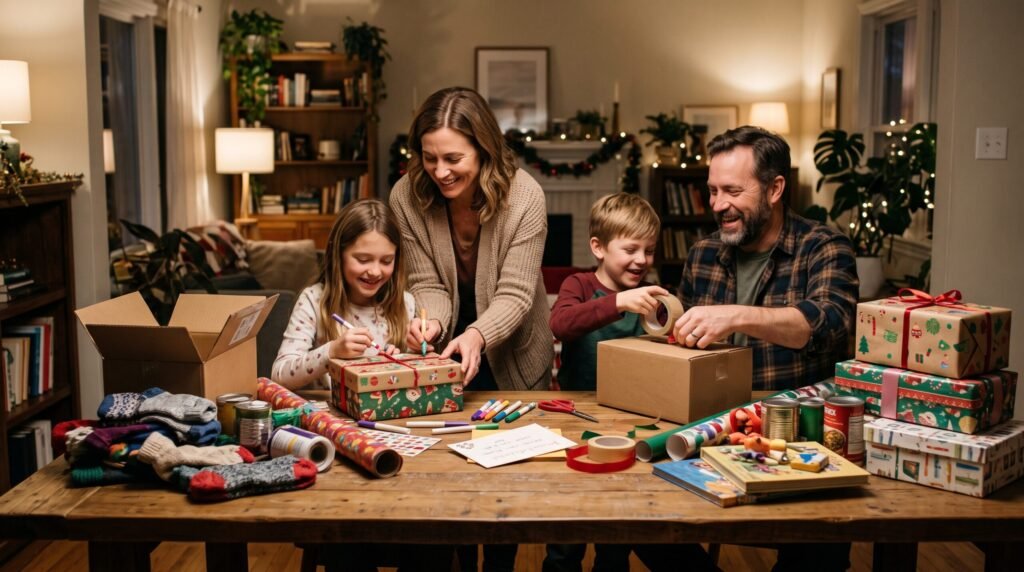
Traditions can teach children that celebrations are also opportunities to care for other people. Families might prepare food for a neighbor, donate suitable items, write appreciation notes, or participate in a community activity together.
Choose an activity that fits your family’s circumstances and explain its purpose. Helping others should encourage empathy and generosity, not become a source of shame or pressure for children.
Affordable Family Traditions That Create Lasting Memories
Meaningful family experiences do not require expensive toys, elaborate parties, or frequent travel. Many traditions use resources that families already have, making them easier to repeat and maintain.

Choose Activities That Cost Little or Nothing
Have a family storytelling evening using memories from childhood.
Create a homemade treasure hunt around the house.
Visit a local park and bring a simple picnic.
Prepare a favorite family recipe together.
Make greeting cards or decorations from reusable materials.
Start a family book club using books borrowed from a library.
Take a photo together every year in the same spot to capture how your relationship grows over time.
The most suitable activities depend on your children’s interests, available time, and local resources. A simple tradition that everyone enjoys is often more sustainable than an ambitious plan that creates financial or practical stress.
Build a Family Memory Book
A memory book gives children a place to preserve photographs, drawings, short stories, and descriptions of favorite experiences. You can use an inexpensive notebook, a scrapbook made from available materials, or a digital folder if that suits your family better.
Invite children to select the moments they want to remember rather than documenting every activity. Their own words and drawings may become the most meaningful part of the collection.
How to Create Family Traditions That Last
Let me explain this in the clearest, simplest terms. A family tradition becomes sustainable when it fits your family’s real life, has meaning for the people involved, and remains enjoyable enough to repeat.

Follow a Simple Six-Step Approach
Identify what matters to your family. Choose a value or interest, such as kindness, creativity, cultural heritage, or spending time outdoors.
Invite children’s ideas. Offer a few manageable options and allow children to suggest alternatives.
Choose a realistic schedule. Decide whether the activity should happen daily, weekly, monthly, or annually.
Give it a personal touch. Add a familiar phrase, special recipe, shared photograph, or other detail that makes the activity yours.
Repeat and preserve memories. Continue the activity when practical and record an occasional photograph or written memory.
Review the tradition over time. Change the format when children’s interests, schedules, or family circumstances change.
For example, parents who want to encourage gratitude might begin a weekly family appreciation ritual. Each person can mention something they valued during the week, while everyone remains free to pass if they do not feel like sharing.
Adapt Traditions as Children Grow
A tradition that delights a preschooler may not interest a teenager. Rather than insisting that children continue an activity they have outgrown, invite them to help reshape it.
A family that once enjoyed watching animated films together might later prefer cooking challenges, outdoor adventures, or choosing a new destination for a monthly outing. Keeping the underlying connection while changing the activity helps the tradition remain relevant.
Avoid Turning Traditions Into Obligations
Family traditions should create opportunities for connection, not become another responsibility that parents feel they must perform perfectly. If an activity becomes expensive, stressful, or difficult to coordinate, simplify it or choose something different.
Children may sometimes decline an activity because they are tired, busy, or interested in something else. Listen to their concerns and look for reasonable alternatives instead of using family traditions to create guilt.
Conclusion and Brand Credibility
Family traditions are built through repeated moments of attention, shared enjoyment, and care. A favorite meal, a bedtime story, an annual photograph, or a simple family walk can become meaningful because the people involved continue choosing to share it.
Prof. Waqar Ahmad recommends beginning with one manageable tradition that reflects your family’s values and everyday circumstances. Make room for every family member’s ideas, protect the enjoyment of the experience, and allow your customs to grow alongside your children.
This practical perspective is exclusively delivered through beautyrelationship.com to help families create loving homes, strengthen relationships, and build memories that remain meaningful through every stage of life.
About The Author