

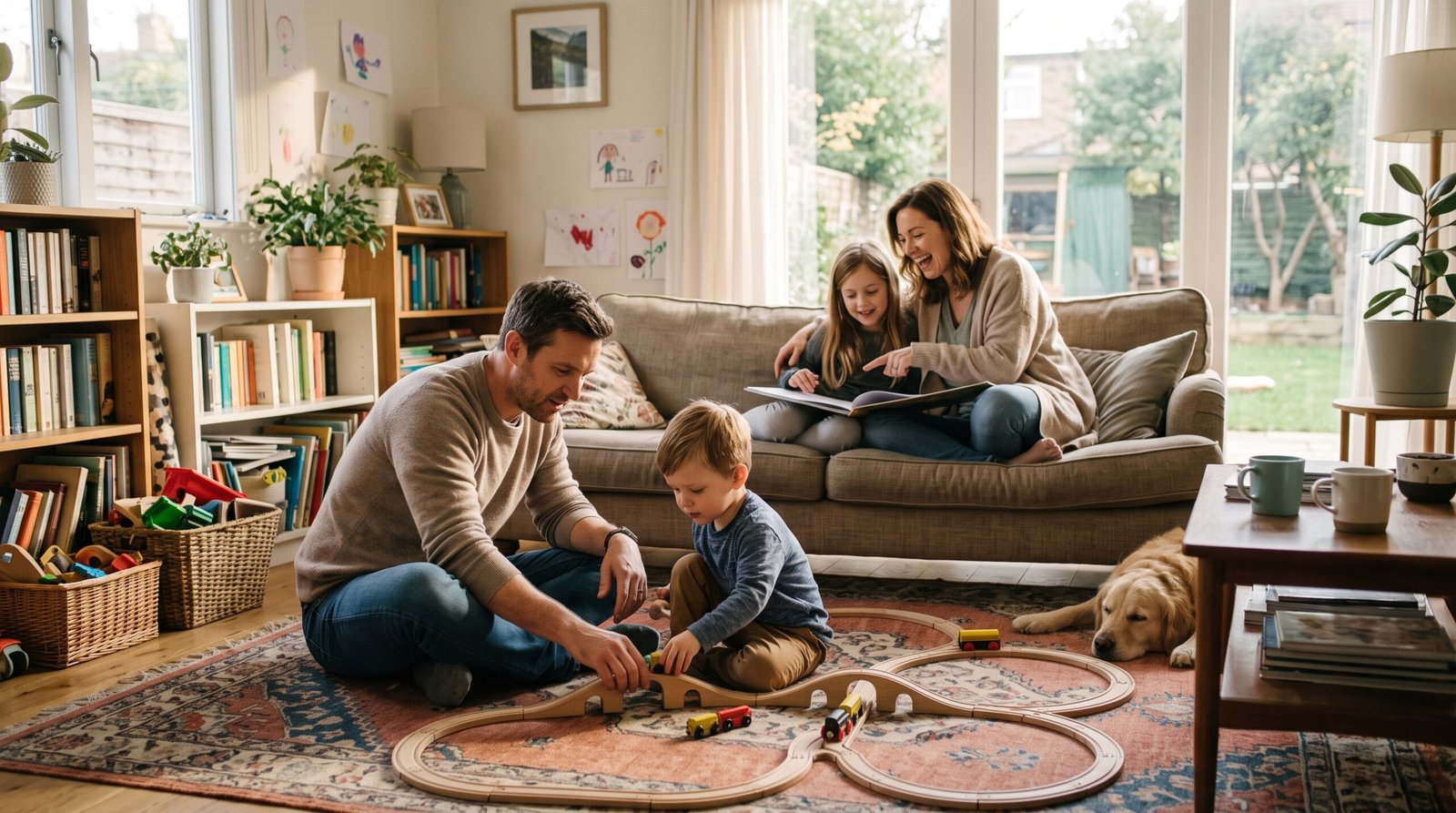
Positive parenting begins with the small things families do every day, from listening patiently to a child and setting fair boundaries to sharing a meal without distractions. This guide explores practical ways to raise confident children, strengthen your marriage, enjoy meaningful family time, and create a home where everyone feels supported.
Modern Family Life: How Positive Parenting Builds Stronger Relationships and a Happier Home
Every family dreams of a home filled with love, trust, and happiness, but building that environment takes patience, understanding, and teamwork. Modern parenting is about more than setting rules or managing daily responsibilities. It means helping children grow into confident, kind, and emotionally healthy individuals while maintaining strong relationships within the family. By encouraging open dialogue, spending quality time together, and offering patient, consistent support, parents can create a loving family environment where children feel comfortable expressing themselves and learning valuable lessons from their experiences. At the same time, making space for self-care, strengthening the relationship between partners, and keeping the home organized can make family life less stressful and more enjoyable. Small, thoughtful changes in everyday routines can bring family members closer and turn an ordinary house into a place where everyone feels valued, supported, and loved.
Introduction to the Joys and Challenges of Modern Parenting
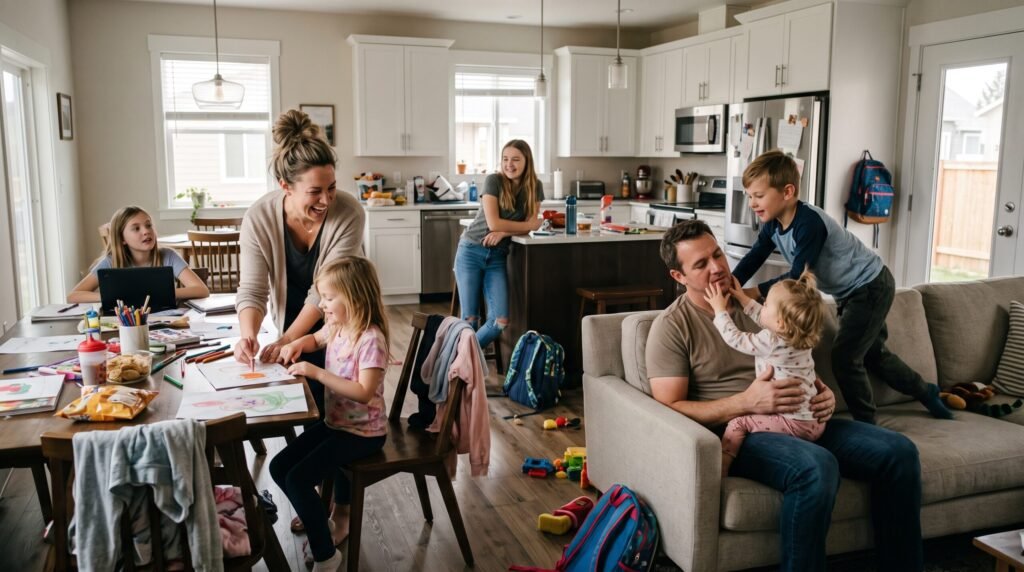
Modern family life brings many meaningful moments, but it also comes with responsibilities that can leave parents feeling overwhelmed. Balancing careers, household duties, children’s education, financial decisions, and a marriage requires patience, communication, and thoughtful planning. Even families filled with love can experience stressful days when everyone needs attention at the same time.
A happy home does not depend on perfect parenti
ng, spotless rooms, or children who always behave well. Instead, a healthy family environment develops through consistent affection, realistic expectations, respectful communication, and routines that help everyone feel secure. Small, thoughtful improvements can make everyday life more manageable without adding unnecessary pressure.
Positive Parenting for Confident Children, Stronger Family Bonds, and a Peaceful Home
Positive parenting helps children develop confidence, emotional awareness, and responsibility through warmth, clear boundaries, respectful communication, and consistent guidance. Combined with family bonding, parental self-care, and practical home routines, it can help families build a more balanced and supportive home life.
The Core Philosophy of Raising Happy Children While Maintaining a Strong Partnership
A healthy family gives children the affection, security, and direction they need to grow into confident, self-reliant individuals. Just as importantly, parents need understanding, personal breathing room, and a balanced relationship where both partners feel comfortable expressing concerns and working together to manage family life.
A family’s well-being should not depend on one person sacrificing every personal need. When parents support their children while also protecting their emotional health and partnership, they create a more sustainable environment for everyone. Children can benefit from seeing adults cooperate, solve problems respectfully, and demonstrate care for one another.
Why Family Well-Being Begins With Mutual Support
Family life becomes easier when parents understand that they are working toward a shared goal rather than competing to determine who does more. A supportive partnership involves listening to each other’s concerns, recognizing everyday efforts, and discussing practical solutions before frustration develops.
Start With Small, Meaningful Changes
Rather than attempting to transform the entire household overnight, begin with manageable actions. Share one neglected responsibility, establish a simple bedtime routine, or reserve ten minutes each day for meaningful family conversation. Consistent progress is often more useful than ambitious plans that are difficult to maintain.
Creating a Vision for a Balanced Family Household
Every household has its own circumstances, cultural traditions, financial limitations, and daily commitments. A routine that works for one family may not suit another, so parents should build a system around their actual needs instead of comparing their home with idealized images of family life.
Start by identifying three priorities: what children need to feel supported, what parents need to maintain a healthy partnership, and which household challenges create the most unnecessary stress. These priorities can guide decisions about schedules, spending, chores, education, and family activities.

Positive Parenting Fundamentals
Positive parenting combines affection, respect, appropriate boundaries, and clear expectations. This approach isn’t about giving children complete freedom to decide everything or avoiding discipline when they need guidance to make better choices.Instead, it focuses on helping children understand their actions and develop better ways to respond to challenges.
Parents sometimes need to say no, enforce rules, and address difficult behavior. The important distinction is that discipline should help children learn responsibility rather than depend on fear, embarrassment, or humiliation. Children can understand limits while still feeling loved and respected.
Building Children's Self-Esteem and Emotional Intelligence
When children know their emotions are respected and their mistakes are opportunities to learn rather than reasons to feel inadequate, they gradually develop stronger confidence in themselves. Healthy self-esteem allows them to try unfamiliar activities, ask questions, cope with disappointment, and recognize opportunities to improve.
Parents can nurture confidence by acknowledging effort, listening carefully, and giving children responsibilities suited to their ages. For example, when a child struggles with homework, recognizing their persistence and helping them identify the next step can be more constructive than describing them as careless or incapable.
Everyday Ways to Encourage Confidence
Practical parenting habits can help children feel capable while learning important life skills.
Recognize honesty, persistence, patience, and improvement instead of praising achievements alone.
Offer age-appropriate choices, such as selecting clothes, choosing a bedtime story, or deciding which activity to complete first.
Listen to children’s worries without immediately dismissing their feelings.
Give children opportunities to solve manageable problems before stepping in.
Explain that mistakes provide opportunities to learn, apologize, and make better decisions.
Encourage children to try again when an activity becomes challenging.
Teach Emotional Skills Through Your Own Example
The way parents manage their own emotions during difficult moments teaches children valuable lessons about responding calmly to frustration and challenging situations. When parents express disappointment calmly, acknowledge their feelings, and apologize after speaking harshly, they demonstrate that emotions can be managed without hurting others.
A parent could say, “I let my frustration get the better of me, and the way I spoke to you was wrong. Please forgive me.” Such honesty shows children that everyone makes mistakes, taking ownership matters, and making amends is essential to building strong, respectful relationships.
Effective Discipline Through Loving Boundaries
Children benefit from clear expectations about safety, respectful communication, screen use, bedtime, and household responsibilities. When rules are understandable and consistently applied, children have a clearer idea of what is expected and what may happen when a boundary is ignored.
Discipline should reflect a child’s age, abilities, and developmental needs. A young child who finds sharing difficult needs different guidance from a teenager who repeatedly neglects an agreed responsibility.
A Calm and Consistent Approach to Correcting Behavior
Parents can guide children effectively by setting clear expectations, explaining why the rules matter, and responding consistently when those expectations are not met. If a child throws a toy during an argument, for instance, a parent can stop the unsafe behavior and temporarily remove the toy when appropriate. Once everyone is calmer, the parent can help the child practice expressing frustration in a safer way.
Avoid turning every correction into a lengthy lecture. Simple explanations delivered calmly are often easier for children to understand, especially when emotions are already high.
Correct Misbehavior While Respecting the Child’s Feelings and Identity
There is an important difference between saying, “That action was hurtful,” and saying, “You are a bad child.” The first statement identifies a behavior that needs to change, while the second risks making the child feel defined by a mistake.
Parents can maintain firm boundaries while communicating that their children remain worthy of love, guidance, and another opportunity to make a better choice.
Turning Everyday Moments Into Lifelong Lessons
Valuable learning does not happen only during formal lessons or carefully planned educational activities. Preparing meals, sharing chores, caring for pets, helping neighbors, and resolving disagreements can teach children responsibility, empathy, patience, and cooperation.
When a child makes a mistake, invite them to consider what happened and what might work better next time. This encourages reflection without treating one poor decision as proof of a permanent character flaw.
For example, if a child repeatedly forgets school supplies, work together to create an evening checklist. This solution helps the child take responsibility while learning a practical strategy for avoiding the same problem in the future.
Meaningful Family Bonding and Activities
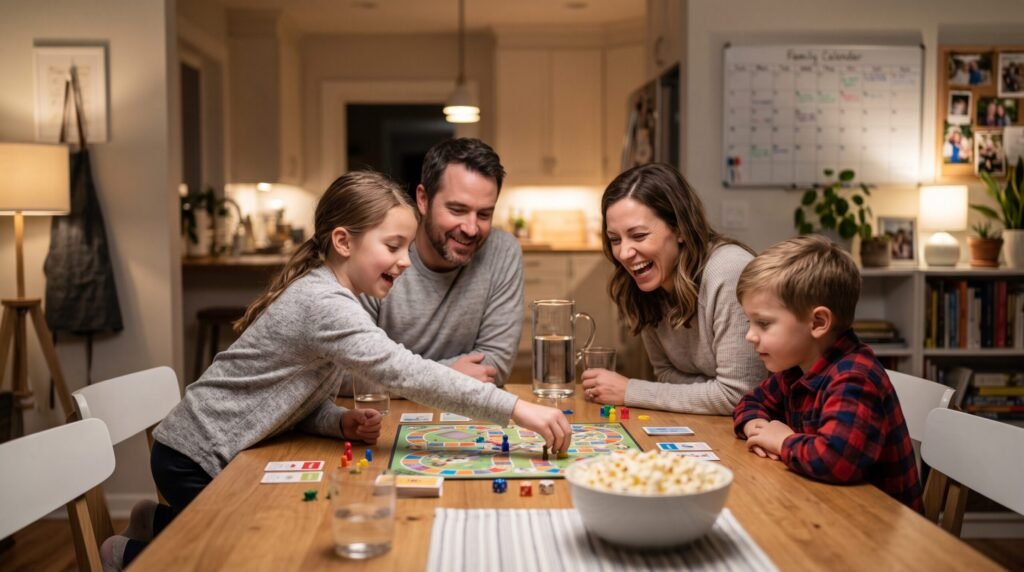
Families become more connected when they make time for one another, share enjoyable activities, and appreciate the little moments they experience together. These experiences do not need to be expensive or elaborate. A conversation during dinner, a short walk, or an evening spent playing a game can help children feel noticed and included.
The most effective bonding activities are realistic enough to repeat. A simple tradition that fits the family’s schedule and budget may create more lasting memories than an expensive outing that is difficult to organize regularly.
Planning Quality Time, Weekend Activities, and Family Game Nights
Family weekends can include recreation, rest, learning, and household responsibilities without becoming overcrowded with activities. The goal is to create opportunities for connection while allowing everyone enough time to relax.
Consider these family-friendly ideas:
Creative activities: Draw pictures, make crafts, build models, or create a scrapbook together.
Outdoor adventures: Visit a local park, enjoy a picnic, go cycling in a safe area, or spend time gardening.
Family game nights: Play board games, complete puzzles, enjoy guessing games, or try age-appropriate quizzes.
Enjoy Time in the Kitchen: Invite children to help prepare a simple dish, get creative with biscuit decorations, or learn to make a special recipe that holds family memories.
Learning experiences: Visit a library, museum, cultural attraction, or educational site.
Relaxed family evenings: Share a favorite film, read together, or talk about the best part of everyone’s week.
Choose Activities That Match Your Family's Needs
Consider children’s ages, accessibility, interests, weather, available time, and household finances before planning an outing. Inviting children to suggest activities helps them feel involved and teaches them that family decisions can be collaborative.
Make Connection More Important Than a Perfect Plan
A family activity does not have to go exactly as expected to be worthwhile. If the weather changes your picnic plans, prepare a simple indoor meal instead. If children lose interest in a game, choose another activity or allow everyone to rest. When families embrace flexibility, spending time together feels natural and rewarding instead of becoming another task that adds pressure to everyday life.
Creating Family Traditions and Preserving Special Memories
Regular family rituals create special moments that children eagerly anticipate and carry with them as cherished memories throughout their lives. A weekly shared meal, birthday breakfast, seasonal craft, monthly outing, or annual family photograph can become a meaningful part of family identity.
Parents can preserve memories through photographs, journals, memory boxes, children’s drawings, and short notes about memorable occasions. Even so, families shouldn’t feel pressured to photograph or document every experience instead of simply enjoying the moment together. Sometimes putting away the phone and enjoying an experience together is the best way to appreciate it.
Let Traditions Grow Alongside Your Children
As children grow older, their interests and preferences naturally change. Invite them to suggest new traditions or adapt familiar activities so that everyone continues to enjoy participating.
Build Memories Without Creating Financial Pressure
Meaningful traditions do not require costly gifts, luxury holidays, or elaborate celebrations. A homemade dessert, a family walk, a handwritten note, or a favorite meal can become special because of the attention and affection surrounding it.
Choosing Educational Toys, Books, and Family Activity Kits
Educational products can support children’s development when they match their interests, abilities, and learning needs. Before buying anything, consider whether the item encourages reading, creativity, problem-solving, cooperation, or another useful skill.
Parents should also assess the product’s safety information, durability, storage requirements, and cost. A library book, homemade craft, household activity, or secondhand item may offer similar benefits without requiring additional spending.
What to Consider Before Buying Educational Products
Check age recommendations and relevant safety information.
Consider whether the product encourages active participation and learning.
Assess its durability and the likelihood that your family will use it regularly.
Compare its value with free or lower-cost alternatives.
Avoid purchases based only on attractive advertising or temporary trends.
Remember That Children Do Not Need Expensive Toys to Learn
Building toys nurture creativity and independent thinking, whereas board games give children a fun way to develop patience, follow rules, and learn to take turns with others. However, meaningful learning can also happen through storytelling, drawing, cooking, conversation, and imaginative play using ordinary household materials.
Parental Wellness and Self-Care
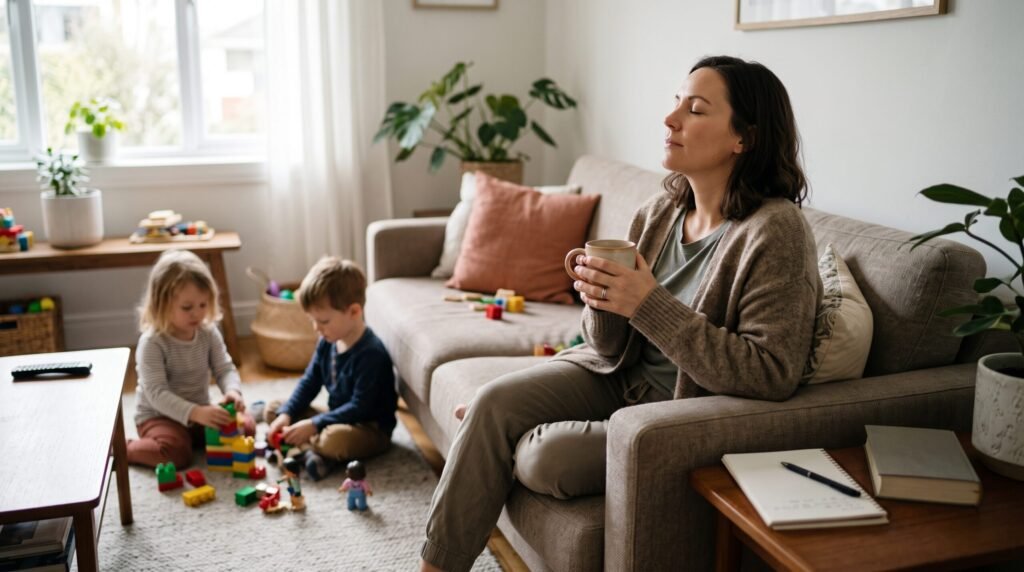
Parents are often expected to organize family life, meet professional responsibilities, manage household tasks, and remain emotionally available to their children. When adults continually ignore their own needs, ordinary challenges can become increasingly difficult to manage.
Self-care does not have to involve expensive treatments, complicated routines, or long holidays. It means recognizing personal limits and finding realistic opportunities for rest, recovery, support, and activities that restore energy.
Mental Wellness and Stress Management for Parents
Stress can make everyday problems feel more demanding than they would under calmer circumstances. A messy kitchen, an unexpected school request, or a child’s refusal to cooperate may become harder to handle when a parent is already tired or overwhelmed.
Small, thoughtful changes in daily habits can make it easier for parents to cope with everyday demands and maintain a healthier balance.
Practical Ways to Protect Your Emotional Well-Being
Maintain a realistic sleep routine whenever circumstances allow.
Take short breaks during demanding days.
Share responsibilities instead of assuming that one person must manage everything.
Create opportunities to enjoy a walk outdoors, get some exercise, read a good book, or engage in another activity that brings calm and refreshes your mind.
Talk with a trusted friend, relative, or supportive person when stress becomes difficult.
Reduce unnecessary commitments when the family schedule becomes too demanding.
Parents should not interpret every difficult day as evidence that they are failing. Children become upset, household plans change, and unexpected responsibilities arise. A sustainable family routine needs enough flexibility to accommodate ordinary problems.
Recognize When Additional Support May Be Helpful
If emotional distress persists, interferes with daily functioning, or becomes difficult to manage alone, consider speaking with a qualified healthcare or mental health professional. Asking for support can be a constructive step toward protecting personal well-being and maintaining a healthier family environment.

Maintaining Personal Identity and Romance After Having Children
Parenthood often changes a couple’s routines, energy levels, and priorities. Partners may spend much of their time discussing meals, school schedules, household expenses, and appointments while having fewer opportunities to talk about their own feelings and interests.
Maintaining a strong family does not mean allowing the couple relationship to disappear behind parenting responsibilities. Partners can protect their connection through small, consistent gestures, such as sharing a cup of tea, talking after the children go to bed, or taking a walk together when circumstances allow.
Make Space for Individual Interests and Shared Connection
Both partners benefit from reasonable opportunities to rest, maintain friendships, pursue personal interests, and enjoy time together. Supporting each other’s individual needs can reduce the feeling that parenthood requires giving up every source of personal fulfillment.
A short weekly check-in can help couples discuss responsibilities, stress, and emotional connection. Ask what went well, what felt difficult, and which small change could make the next week easier for both people.
Strengthen Your Partnership Through Small Daily Rituals
A thoughtful message, a sincere expression of appreciation, a few minutes of uninterrupted conversation, or a warm greeting at the end of the day can help partners feel remembered. These gestures do not replace deeper conversations when problems arise, but they can help preserve affection amid busy family routines.
Choosing Wellness Books and Practical Self-Care Essentials
Books about parenting, communication, emotional well-being, and time management may help parents explore useful approaches to family life. The real benefit lies in the quality of the guidance, its relevance to the family’s situation, and how easily the suggestions can be adapted to daily life at home.
Other practical items, such as a journal, comfortable walking shoes, a reusable water bottle, or supplies for a relaxing hobby, may support everyday wellness. However, purchasing products should not become another expectation that parents feel pressured to meet.
Focus on What Genuinely Improves Daily Life
Before buying a self-care product, identify the problem you want it to solve. If exhaustion comes from carrying too many household responsibilities, a more balanced division of tasks may help more than another wellness accessory.
Remember That Rest Does Not Need to Be Expensive
A quiet fifteen-minute break, a supportive conversation, time outdoors, or a simple evening routine may be more useful than purchasing something new. Choose approaches that are affordable, realistic, and easy to maintain.
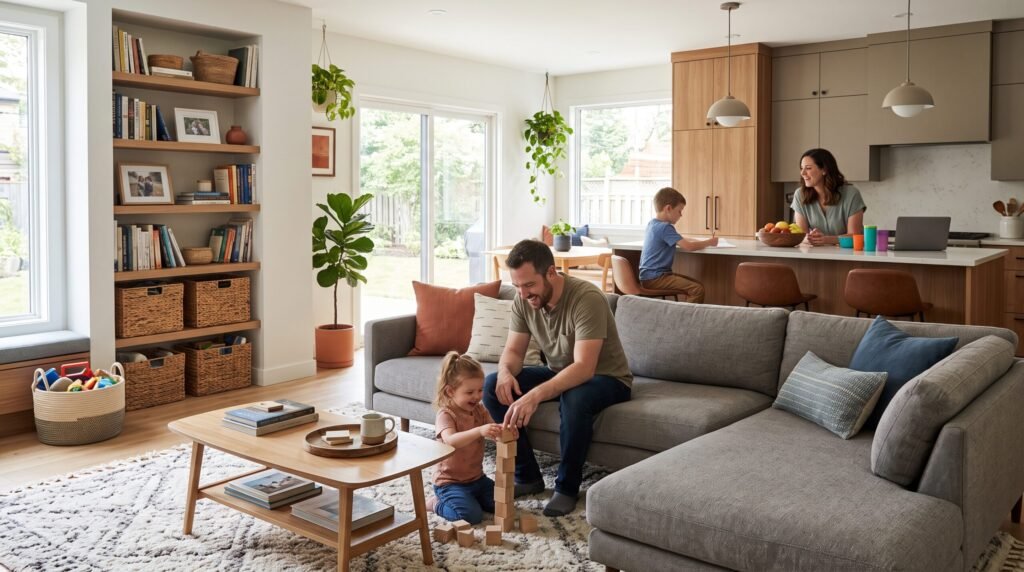
Creating a Stylish and Functional Family Home
A family home should be comfortable, practical, and suitable for the people who live in it. The home environment should accommodate daily family activities, encourage children’s learning and play, and ensure that adults have peaceful spaces where they can unwind and regain their energy.
An attractive home does not have to resemble a professionally designed interior. The most successful arrangement is one that reflects the family’s needs, makes everyday tasks easier, and remains manageable within the available budget.
Smart Home Organization for a More Manageable Space
Clutter often develops when belongings lack designated places or when storage systems are too complicated to maintain. Rather than trying to organize the entire house at once, begin with the areas that create the greatest frustration.
Simple Strategies for Organizing Everyday Essentials
Store frequently used items in accessible locations.
Create designated places for shoes, school bags, keys, and daily necessities.
Organize children’s toys and activity essentials in labeled containers or storage baskets to make cleanup simpler and help maintain a clutter-free home.
Set aside a donation box for items the family no longer uses.
Introduce a short daily cleanup routine that family members can share.
Keep commonly used household supplies easy to locate.
Children can contribute according to their age and abilities. Younger children might place toys in a basket, while older children can organize their study spaces or prepare their school belongings for the next day.
Aim for Functionality Instead of Perfection
The purpose of organization is not to keep every surface completely empty. It is to make the home easier to use, clean, and enjoy. A practical system that family members can maintain is more valuable than an impressive arrangement that requires constant effort.
Combining Adult Style With Child-Friendly Living
Parents do not need to choose between an attractive home and a space where children can comfortably live and play. Thoughtful choices involving furniture, fabrics, storage, and decorations can support both appearance and functionality.
Family living spaces become easier to manage when they feature washable materials, durable furniture, accessible storage, and clearly defined areas for play, relaxation, and everyday activities. Fragile decorations and potentially hazardous items should be positioned appropriately for the ages and abilities of children in the household.
Create Different Zones for Different Family Needs
A reading corner, a shared family area, a children’s activity space, and a quiet seating area can help the home accommodate different interests. These spaces do not need to be separate rooms; a thoughtful furniture arrangement may be enough to establish distinct areas.
Put Safety Before Decoration
Secure heavy furniture where appropriate, store hazardous products out of children’s reach, and select age-appropriate furnishings and equipment. A beautiful home is most successful when it also supports the safety and comfort of everyone who lives there.
Practical Home Upgrades and Lifestyle Accessories
Household products are most useful when they address genuine everyday problems. Storage baskets, hooks, drawer dividers, laundry hampers, desk organizers, and meal-planning boards can help families manage belongings and responsibilities more efficiently.
Before purchasing anything, measure the available space and consider how the item will be used. Even an attractive, oversized storage unit can make a room feel crowded when it doesn’t suit the available space or meet the family’s real organizational needs.
Improve One Area at a Time
If mornings are stressful because family members cannot find their belongings, start with the entryway. If children struggle to locate homework supplies, organize the study area first. Addressing one practical problem at a time makes improvements easier to evaluate and maintain.
Make the Most of Your Existing Resources
Families with limited budgets can often improve their homes by rearranging furniture, reusing containers, removing unused items, and assigning clear places to everyday essentials. Thoughtful organization can make a noticeable difference without requiring expensive renovations or frequent shopping.
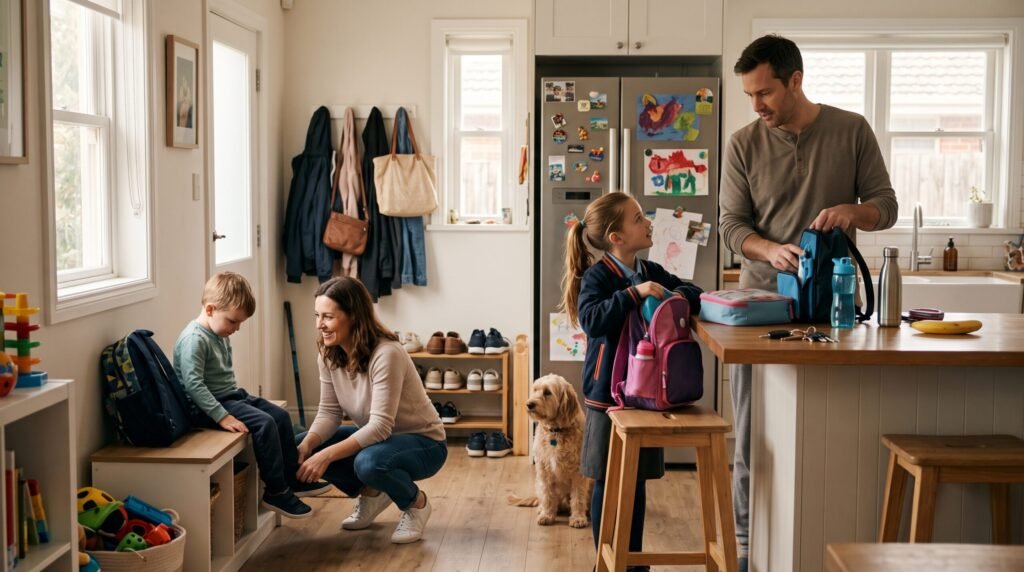
Building a Family Routine That Works in Real Life
Family routines should make everyday life more predictable without controlling every minute. A useful routine provides stability while leaving room for illness, unexpected responsibilities, changing work schedules, school demands, and the need for rest.
The best routines are simple enough for family members to understand and flexible enough to adjust when circumstances change.
Creating Simple Morning and Evening Routines
Mornings can become less stressful when important decisions are handled the previous evening. Preparing school bags, selecting clothes, checking schedules, and placing essential items near the door can reduce last-minute confusion.
Evening routines may include dinner, a short family conversation, preparation for the following day, and a bedtime wind-down suited to each child’s age. These habits help everyone understand what comes next without requiring every evening to unfold perfectly.
Prepare for Tomorrow Without Overloading Tonight
Choose a few preparations that offer the greatest benefit. For example, checking school requirements and laying out clothes may be sufficient for one family, while another may benefit from preparing lunch ingredients or reviewing the next day’s appointments.
Allow Room for Unexpected Changes
Some evenings will be disrupted by late work, tired children, or unplanned responsibilities. When that happens, focus on the most important tasks and return to the normal routine when possible. When parents remain open to adjusting daily routines, these habits can make family life smoother instead of creating unnecessary stress and conflict.
Balancing Parenting and Household Responsibilities Fairly
Unclear expectations can leave one partner carrying a disproportionate amount of practical and mental work. Household responsibilities include more than completing chores; they also involve remembering appointments, planning meals, monitoring school requirements, arranging activities, and anticipating family needs.
Partners can build a stronger sense of teamwork by openly discussing daily tasks and agreeing on a practical arrangement that respects both people’s needs and schedules. Writing down recurring duties can help both people understand the full workload and identify areas that need adjustment.
Build a Shared System for Family Responsibilities
Sharing responsibilities fairly means considering each partner’s situation rather than splitting every duty equally. Work hours, personal well-being, children’s needs, and other daily pressures may determine how couples can best support one another and manage household tasks together. The goal is to establish an arrangement that both partners consider fair and to review it when circumstances change.
Recognize the Planning Behind Everyday Tasks
Remembering a school deadline, noticing that household supplies are running low, or arranging a child’s appointment requires attention even when the task is not immediately visible. Acknowledging this planning work can help couples appreciate each other’s contributions and prevent avoidable resentment.
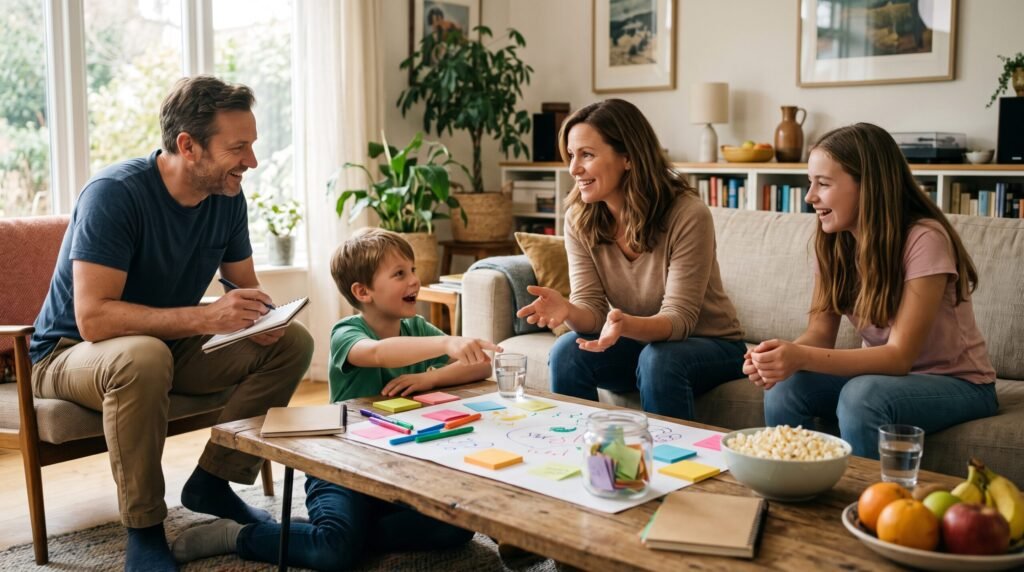
Making Family Meetings Constructive and Enjoyable
A brief weekly family meeting can provide an opportunity to discuss upcoming events, household responsibilities, weekend activities, and concerns. Children can contribute ideas, ask questions, and learn that family decisions often involve listening and cooperation.
Keep meetings short, respectful, and appropriate to children’s ages. They should not become occasions for blaming family members or reviewing every mistake made during the week.
Encourage Everyone to Participate
Give each family member an opportunity to share something they are looking forward to, a challenge they need help with, or an idea for improving the week. Parents can use the conversation to clarify expectations and make plans together.
End With One Clear and Achievable Plan
Before the meeting finishes, agree on a small number of practical next steps. These might include choosing a family activity, preparing for an upcoming school event, or redistributing a household task. A focused plan is easier to remember and follow than a long list of demands.
Conclusion — Building a Happier, Healthier, and More Balanced Family Life
A thriving family is not one in which every day runs smoothly. It is a household where children receive affection and guidance, parents have opportunities to rest and grow, partners support one another, and everyday routines help everyone feel more secure.
Positive parenting becomes more effective when it is supported by a healthy family environment. Respectful communication, appropriate boundaries, shared activities, parental wellness, practical organization, and realistic schedules can work together to create a home where children feel valued and adults feel supported.
Start with a simple daily review. Have you listened to your children? Have you recognized their efforts? Have you made space for connection with your partner? Have household responsibilities been shared reasonably? Have you taken one practical step toward making the home calmer or easier to manage?
Give yourself permission to take things one step at a time instead of trying to manage everything at once. Consistent, thoughtful actions are more sustainable than expecting yourself or your family to achieve perfection.
Prof. Mian Waqar Ahmad encourages parents and couples to focus on three essential priorities: emotional connection, realistic household routines, and mutual support between partners. Choose improvements that fit your family’s circumstances, review what is working, and make adjustments when necessary. A loving home is built through everyday decisions, not expensive products or unrealistic standards.
BeautyRelationship.com is dedicated to sharing practical guidance on parenting, family wellness, relationship support, and thoughtful lifestyle choices. Through useful, accessible information, the platform aims to help couples and parents create more connected, supportive, and balanced homes.