


Relationship advice for couples is not about creating a perfect marriage. It is about learning how to stay emotionally connected, communicate with care, protect romance, and build a shared life that still feels meaningful when everyday responsibilities become demanding.
Best Relationship Advice for Couples in Love
Discover practical relationship advice for couples to strengthen trust, improve communication, keep romance alive in marriage, and build a lasting emotional connection. Learn simple ways to resolve conflicts, express appreciation, enjoy romantic date nights, and create meaningful memories together while balancing everyday responsibilities. Whether you are newly married or have spent years together, these thoughtful tips can help you nurture a happier, healthier, and more loving relationship.

Why Strong Relationships Need Intentional Attention
Marriage can begin with excitement, affection, and long conversations, but everyday life eventually introduces work, finances, family responsibilities, children, schedules, and countless small decisions. The challenge is often not that two people have stopped loving each other, but that connection has quietly moved down the priority list.
The most useful relationship advice for couples should therefore be practical. Instead of simply saying that partners should communicate more or spend more time together, it should explain what that actually looks like during an ordinary Tuesday evening, after a stressful workday, or during a disagreement.
Love and the habits that sustain a healthy relationship are two different things
Love is an important foundation, but healthy relationship habits determine how that love is expressed in daily life. A couple may deeply care about one another while still developing habits of avoidance, criticism, poor listening, or emotional distance.
A strong relationship is maintained through repeated choices such as listening carefully, keeping promises, showing appreciation, making time for one another, and repairing conversations after they go badly. These small behaviors often matter more than occasional grand romantic gestures.
What couples are really looking for
Many couples are not searching for complicated theories. They are looking for answers to very ordinary concerns:
- How can we feel close again?
- How can we stop turning small disagreements into major arguments?
- How can you show your partner genuine appreciation through thoughtful words, small gestures, and everyday acts of kindness?
- How can we create romance without spending a lot?
What are some simple, meaningful ways for partners to reconnect, strengthen their bond, and keep their relationship close despite busy schedules?
The research framework behind this pillar identifies relationship improvement, problem solving, romance inspiration, lifestyle, and aspirational experiences as major forms of reader intent.
Start with intentional connection
Connection does not always require an expensive dinner, luxury hotel, or elaborate surprise. Sometimes, the smallest actions make the biggest difference: giving your partner your full attention, showing genuine interest in their feelings, and appreciating the little things they do.
My view is simple: couples should not wait for their relationship to feel distant before they start caring for it intentionally. Emotional closeness is easier to maintain than to rebuild after months or years of neglect.

How Couples Can Keep Love, Passion, and Romance Alive Throughout Marriage
Romance naturally changes as a relationship matures. The early excitement may become quieter, but affection, attraction, curiosity, and emotional closeness do not have to disappear.
Why Romance Naturally Changes Over Time
New relationships often contain constant discovery, spontaneous conversations, and anticipation. Marriage introduces familiarity, which can be comforting but can also make partners assume they already know everything about each other.
Instead of trying to recreate the exact feeling of the first months together, couples can develop a mature form of romance based on attention, appreciation, shared memories, affection, and continued curiosity.
Create Small Daily Romance Rituals
A romantic ritual can be remarkably simple:
Send a loving morning message before work.
Take a short evening walk together.
Enjoy tea or coffee without phones.
Share a genuine hug after returning home.
Spend ten minutes having an uninterrupted conversation.
The purpose is consistency rather than extravagance.
Little shared moments throughout the day remind partners to nurture their connection and give their relationship the attention it deserves despite life’s many demands.
Make Appreciation Specific
Generic compliments can feel pleasant, but specific appreciation communicates that you actually noticed your partner’s effort. For example, saying, “I noticed you handled that difficult situation even though you were exhausted, and I really appreciated it,” gives the compliment emotional weight.
A useful formula is observation + effort + impact. This changes appreciation from a routine phrase into a personal recognition of what your partner contributes to the relationship.
Protect Regular Couple Time
Quality time should not become something couples only enjoy when everything else is finished. If every responsibility comes first, the relationship can eventually receive whatever energy remains.
Even a protected 30-minute period can help when it is treated as genuine couple time rather than another opportunity to discuss bills, schedules, children, or unfinished tasks.
Try New Experiences Together
Novel experiences can interrupt repetitive routines. Couples can cook something unfamiliar, visit a cultural attraction, explore a nearby place, begin a shared hobby, take photographs together, or simply choose a different kind of evening.
The goal is not luxury. The goal is creating moments that become shared memories.
Avoid Turning Romance Into a Performance
Romance should not be measured by social media photographs, expensive gifts, or the appearance of a perfect relationship. A couple can have a beautiful marriage while enjoying very ordinary experiences.
The strongest romantic gesture is often the one that genuinely fits the people involved.

How to Build Better Communication Between Couples
Good communication is more than talking frequently. A couple can spend hours discussing household matters while avoiding the emotions, fears, hopes, and frustrations that actually shape the relationship.
Communication improves when partners become better at listening, asking meaningful questions, expressing feelings without attacking, and repairing conversations when they go wrong.
Listen to Understand Rather Than Respond
When someone is speaking about a difficult experience, immediately preparing a defense can prevent genuine understanding. Try listening to understand the person’s experience before deciding whether you agree with every part of their interpretation.
Validation does not mean accepting every statement as correct. It can simply mean recognizing that your partner’s feelings are real and worth hearing.
Ask Better Questions
Questions can move a conversation beyond routine logistics:
“What has been weighing on you lately?”
“Which moment of your day did you enjoy the most?”
“Is there something you need from me?”
“What would help you feel more supported?”
“What are you looking forward to?”
Better questions create opportunities for emotional connection without forcing a dramatic conversation.
Talk About Feelings, Not Only Problems
Couples often become excellent at discussing what needs to be fixed while becoming less comfortable discussing how they actually feel. Emotional conversations help partners understand the person behind the problem.
Instead of saying, “You never care,” explain the specific experience: “I felt alone when I was dealing with that situation and did not hear from you.”
Use “I” Statements Carefully
“I” statements can reduce blame when they describe an experience rather than disguising an accusation.
“I felt overlooked when we stopped talking so suddenly” encourages a healthier conversation than saying, “You never pay attention to me.”
The objective is not to win an argument through better wording. It is to make the conversation easier to understand.
Examples of Healthy Communication
Healthy communication involves honesty, respect, and a willingness to understand different perspectives.
For example, a partner could express their feelings by saying, “I felt emotionally drained when all the responsibilities fell on me alone.”
Can we discuss how to share these responsibilities?”
This statement identifies a feeling, explains the situation, and invites collaboration without attacking the other person’s character.

Phrases That Help Prevent Unnecessary Arguments
Useful phrases include:
“Can we talk about what happened calmly?”
“I want to understand your point of view.”
“Let me explain how I felt.”
“Could we pause for a few minutes and talk again when we both feel calmer?”
“What would help us solve this together?”
These phrases cannot guarantee agreement, but they can make it easier to approach difficult subjects constructively.
Recognize When Your Partner Needs Listening Instead of Advice
Sometimes a partner shares a difficult experience because they want to feel understood, not because they are asking for an immediate solution.
Before sharing solutions, check whether your partner wants your input or simply needs your understanding and undivided attention.
That small distinction can prevent many unnecessary misunderstandings.
Repair Conversations That Go Wrong
Healthy couples still have poor conversations. What matters is the ability to return to the subject, acknowledge what went wrong, clarify intentions, and make one practical adjustment.
A heartfelt admission like, “I reacted defensively, and I’d like to listen more carefully to what you meant,” can create an opportunity to reconnect after a difficult conversation.

How to Build Trust in a Marriage
Building lasting trust takes time, patience, and reliability, not just one powerful declaration or emotional commitment. It develops through repeated experiences in which partners learn that their words, actions, boundaries, and commitments are reasonably consistent.
Keep Small Promises
Everyday promises carry real meaning because they demonstrate dependability. When you do what you say you will do—whether it is making a phone call, completing a task, being punctual, or following up on an important matter—you show your partner that your words can be trusted.
When circumstances change, honest communication is better than quietly allowing a commitment to disappear.
Be Honest About Difficult Feelings
Genuine emotional openness involves sharing your feelings thoughtfully rather than speaking every thought as soon as it comes to mind. It means finding respectful ways to communicate important feelings before frustration becomes resentment.
It is difficult for a partner to address a concern they do not know about, which is why honest communication matters in a relationship. Choosing a suitable time and speaking respectfully can make difficult conversations easier to manage.
Respect Privacy and Boundaries
Being close as a couple means sharing love and understanding while still respecting each other’s independence and limits. Healthy relationships can include individual friendships, interests, personal space, and reasonable privacy while maintaining openness about matters that genuinely affect the relationship.
The right boundaries should be discussed rather than assumed.
Rebuild Trust After Disappointment
Trust can become fragile after broken promises or serious disappointment. Rebuilding it generally requires more than saying “trust me again.”
Consistent behavior, transparency, patience, accountability, and realistic expectations are more meaningful than repeated assurances. Both partners should understand what needs to change and how progress can be demonstrated over time.
Avoid Jealousy and Assumptions
When couples stop communicating and begin jumping to conclusions, misunderstandings can fuel jealousy and create unnecessary tension in their relationship.
A calm conversation is usually more useful than building an entire conclusion from incomplete information. At the same time, concerns about repeated dishonesty or broken agreements should not be dismissed without discussion.

How to Resolve Marriage Conflicts Without Arguing
Disagreements are a normal part of married life and do not necessarily indicate a problem with the relationship. The more important question is how partners behave when they disagree.
Understand Conflict Versus Disrespect
Partners may have different opinions about finances, daily routines, family matters, travel plans, parenting styles, or household duties while still treating each other with respect. Disagreements become more harmful when they involve personal attacks, degrading comments, threats, contempt, intimidation, or intentional attempts to hurt one another.
If disagreements frequently escalate into damaging or frightening situations, working with an experienced professional can provide valuable support and help couples consider healthier ways forward.
Recognize Your Escalation Signals
Learn to notice the moment a conversation begins changing direction. Speaking louder, interrupting, becoming sarcastic, repeating the same accusation, or bringing up unrelated historical grievances can all signal that the discussion is no longer productive.
Recognizing the pattern early gives couples an opportunity to pause before hurtful words make the problem more difficult to resolve.
Focus on One Issue at a Time
When couples talk about household responsibilities, they can resolve the problem more constructively by addressing the present concern instead of bringing up every disagreement from previous years.
Addressing one issue at a time makes disagreements easier to resolve and helps prevent emotions from becoming too difficult to manage. If another concern needs attention, agree to discuss it separately.
Avoid Personal Attacks
If something needs to be corrected, discuss the behavior itself rather than criticizing your partner as a person or attaching hurtful labels to them.
Respectful language does not make disagreement disappear. It makes productive disagreement more possible.
Find the Underlying Need
The visible argument is not always the real argument. A disagreement about forgotten chores might actually involve feeling unsupported, unappreciated, overwhelmed, or alone.
Ask, “What are we actually upset about?” before assuming you already know the answer. Understanding the underlying need can help couples find a solution that addresses more than the immediate disagreement.
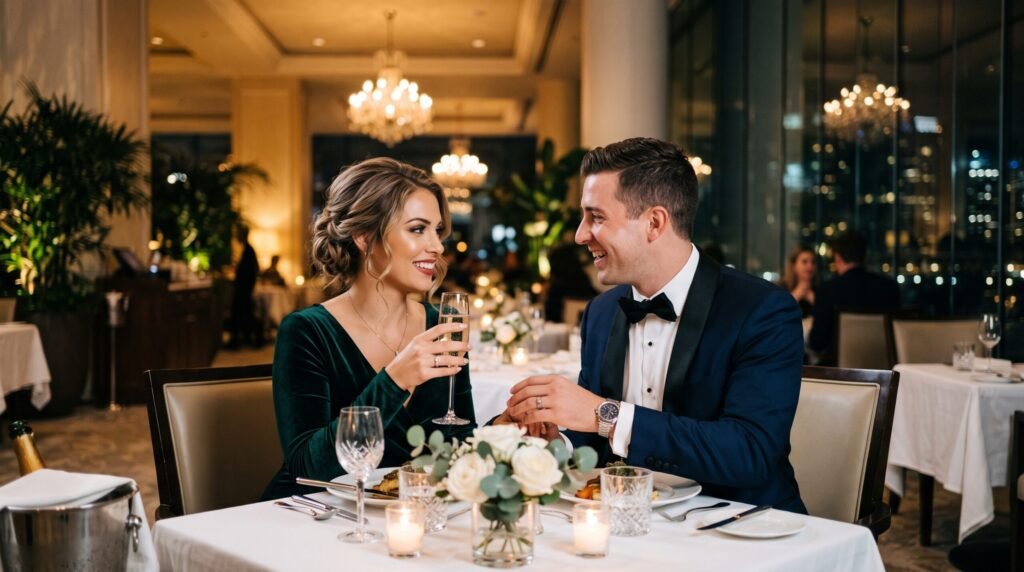
Romantic Date Night Ideas for Married Couples
Romance does not need to become another financial burden. A meaningful date is primarily about shared attention, enjoyment, and creating an experience that feels different from ordinary responsibilities.
At-Home Date Nights
Couples can prepare dinner together, watch a carefully chosen film, create a dessert, play a game, revisit wedding photographs, or have a phone-free conversation over coffee.
The important part is making the evening intentionally different from a routine night at home. Even a simple meal can feel special when both partners contribute and enjoy the time together.
Low-Cost Romantic Dates
A walk, picnic, homemade dinner, local cultural visit, shared hobby, sunset outing, or simple dessert trip can create meaningful time together without a large budget.
This is particularly important for couples who believe romance must always involve expensive restaurants or travel. Thoughtfulness often matters more than the amount spent.
Elegant Dinner Dates
For a more polished evening, couples can dress thoughtfully, coordinate their colors, choose a comfortable restaurant, and make the occasion feel special without excessive spending.
Style can contribute to the experience, but it should support the relationship rather than replace emotional connection.
Date Ideas for Busy Parents
Parents may not have several free hours every week. A short coffee together, an evening walk, breakfast before the children wake, or a planned home date can still preserve a sense of partnership.
Consistency matters more than duration. Couples can plan around their responsibilities instead of waiting for a completely free day that may rarely arrive.
Try a Monthly Romance Reset
A useful monthly reset can include a new restaurant, home date, day trip, movie night, shared hobby, cooking experience, museum visit, couple photography session, or weekend getaway.
The principle is simple: novelty plus attention. Choose experiences that suit both partners’ interests, energy levels, and budget.

Romantic Honeymoon and Anniversary Getaway Destinations
Travel can strengthen a couple’s shared identity when the destination fits both partners. The best romantic trip is not necessarily the most expensive or famous one.
Choose a Destination Together
Start with the couple rather than the destination. Discuss budget, travel time, shared interests, preferred pace, privacy, season, and the experiences each person actually wants.
One partner may prefer beaches while the other prefers history, food, mountains, shopping, or cultural experiences.The most effective approach balances both perspectives, ensuring that neither partner’s feelings or priorities are overlooked.
Avoid Overscheduling
Planning too many activities during a couple’s trip can turn a relaxing escape into a tiring experience instead of a chance to reconnect and create beautiful memories.
Travel should create connection rather than another demanding schedule. Choose a few priority experiences and leave some room for spontaneous moments.
Choose Hotels Thoughtfully
Price alone should not determine the decision. Consider location, privacy, comfort, transportation, reviews, amenities, and whether the property actually suits the couple’s purpose.
A beautiful hotel far from everything may be less useful than a comfortable property in the right location. A memorable stay depends on what a couple values most, not simply on a hotel’s luxury status or price tag.

Matching Couple Outfits Without Looking Identical
Couple fashion works best when both partners look like themselves while still creating a visual connection. The strongest approach is to coordinate rather than duplicate.
Coordinate Rather Than Duplicate
A practical couple-style formula includes color, texture, occasion, and accessories.
For example, one partner might wear a navy dress while the other wears a navy shirt, or one may choose beige clothing while the other uses cream accessories. The outfits remain individual while sharing a thoughtful visual connection.
Match Colors Strategically
Matching colors can create a polished appearance without requiring identical garments. Couples can effortlessly complement each other’s outfits by choosing soft neutrals, harmonious colors, and similar accent shades.
The goal should be visual harmony rather than looking like two versions of the same outfit. Consider the location, season, dress code, and comfort before choosing a color palette.
Coordinate Accessories
Coordinating small details, including watches, shoes, belts, jewelry, shades, and bags, helps couples achieve a polished, complementary style without looking overly matched.
Small details often look more sophisticated than obvious matching. Both partners should feel comfortable with the accessories they choose.
How to Create a Sophisticated Couple Look
Start by choosing an occasion and a simple color palette. Then select outfits that suit each person’s preferences, body comfort, and personal style. Coordinate one or two details, such as colors or accessories, rather than matching every item.
Simple Styling Tips for Romantic Occasions
Choose two or three complementary colors.
Coordinate accessories without making them identical.
Match the level of formality.
Prioritize comfort and confidence.
Avoid adding too many competing patterns.
Let each partner retain their individual style.
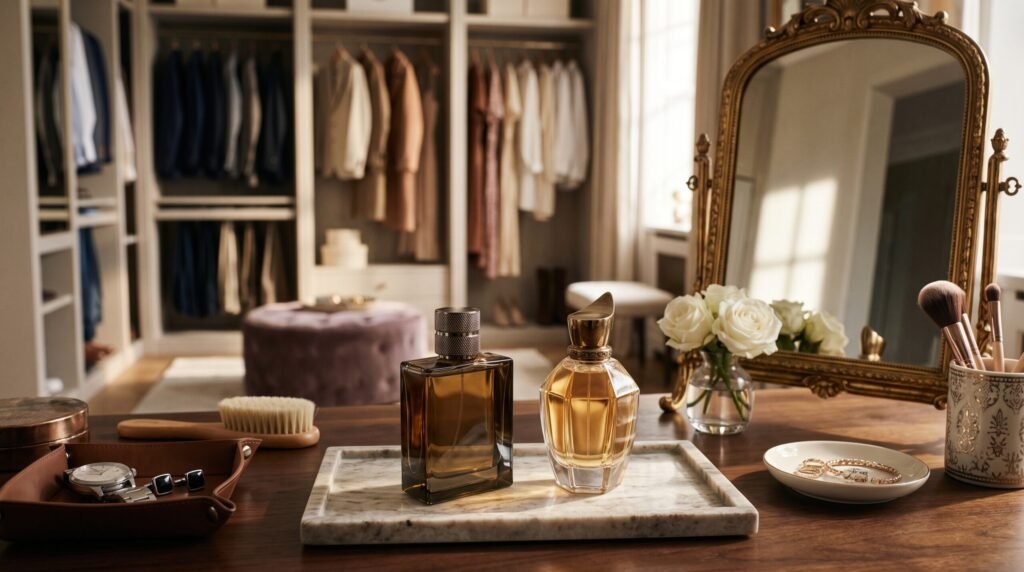
Best Signature Fragrances and Perfumes for Couples
Fragrance can become part of a couple’s identity because scent is closely associated with memories and occasions. However, there is no universal “romantic” fragrance that works for everyone.
Matching Versus Complementary Fragrances
Couples can wear the same fragrance family or choose scents that share a particular note. Complementary fragrances may create a coordinated impression without smelling identical.
The better choice is the one both partners genuinely enjoy. Personal preference, skin chemistry, fragrance strength, and sensitivity should all be considered.
Choose a Signature Scent by Occasion
A practical framework is occasion, season, longevity, personality, scent family, and budget.
Fresh and lighter scents may suit warmer weather, while woody, amber, or spicy profiles may feel more appropriate during colder months.
Date nights, wedding celebrations, and everyday activities each have different style needs, so couples should choose outfits and accessories that suit the occasion.
Test Before Buying
Fragrance can smell different on skin than it does on a paper strip. Whenever possible, test it, allow it to develop, and consider how long the scent remains comfortable.
This is especially important before spending heavily on a luxury bottle. Starting with a sample or smaller version allows both partners to test whether a product meets their needs before committing to a more expensive purchase.

Luxury Couple Accessories and Fashion Trends
Accessories can complement a couple’s style without becoming the center of it.
Matching complementary accessories, from elegant watches and jewelry to stylish bags and sunglasses, adds a subtle sense of harmony to a couple’s overall appearance.
Build a Sophisticated Couple Look
Sophistication usually comes from consistency rather than quantity. Similar metal tones, complementary colors, appropriate proportions, and well-maintained accessories can create a polished appearance.
A couple does not need identical luxury items to look coordinated. Select pieces that suit each person’s wardrobe and that can be worn comfortably on more than one occasion.
Choose Investment Pieces Carefully
An expensive item is not automatically a valuable purchase. Consider frequency of use, quality, versatility, personal style, durability, and whether the purchase genuinely solves a need.
The best shopping decisions balance appearance with practical value. Accessories should enhance the couple’s style without creating unnecessary financial pressure.
How Couples Can Create Their Own Relationship Style
Happy couples often create their own meaningful rituals, finding joy in simple shared moments that become special parts of their relationship.
These traditions create a sense of shared identity that cannot be purchased.
Develop Shared Traditions
A weekly breakfast, annual photograph, favorite restaurant, seasonal outing, evening walk, or personal celebration can become part of the couple’s story.
Traditions do not have to be complicated. Their emotional value often comes from repetition and the shared meaning partners attach to them.
Create Anniversary Rituals
Instead of focusing only on gifts, couples can revisit meaningful places, write letters, recreate an early date, cook a favorite meal, or reflect on what they have experienced together.
The ritual becomes a reminder of the journey rather than simply a yearly event. Couples can also discuss what they hope to build during the coming year.
Build Shared Memories Without Overspending
Some of the most cherished moments come from ordinary experiences, such as sharing a picnic, traveling by car, cooking dinner together, discovering local attractions, or relaxing side by side on a quiet evening.
A healthy relationship should remain enjoyable even when the budget is ordinary. Focus on experiences that create conversation, laughter, and a stronger sense of partnership.

Common Relationship Mistakes Couples Should Avoid
Many relationship challenges arise from small, repeated habits that slowly create tension instead of one major event or disagreement.
Taking Each Other for Granted
Familiarity can make appreciation less visible. When partners stop acknowledging each other’s effort, the relationship may gradually feel transactional.
Regular specific appreciation is a simple way to interrupt this pattern. Notice both the major contributions and the ordinary tasks that help daily life run smoothly.
Only Talking About Responsibilities
A couple can become excellent household managers while becoming poor emotional companions. Conversations about bills, children, schedules, and work are necessary, but they should not become the entire relationship.
Ask about dreams, worries, memories, interests, and hopes as well. These conversations help partners continue discovering each other as individuals.
Keeping Score
Love begins to feel like a burden when every favor comes with expectations, making genuine care seem more like a business exchange than a heartfelt expression of affection.
Discuss unfair patterns when they matter, but do not turn ordinary generosity into debt. Aim for a fair and sustainable partnership over time.
Using Silence as Punishment
Stepping away briefly to settle your emotions can help you approach a challenging conversation with greater calm and clarity.
A healthy pause should communicate that the conversation will return, not that the relationship has been abandoned. When possible, agree on a time to reconnect and continue the discussion.
Bringing Up Every Past Mistake
Past experiences matter when they reveal an unresolved issue. Repeating every previous mistake during every new disagreement usually prevents the couple from solving the present problem.
Focus on what needs attention now unless the past issue genuinely remains unresolved. If it does, discuss it separately and identify what repair or change is needed.
Comparing Your Marriage With Other Couples
Social media often displays selected moments rather than complete relationships. Comparing your private marriage with someone else’s public presentation can create unrealistic expectations.
Measure your relationship against its own values and progress. Every couple has different responsibilities, resources, personalities, and ways of expressing affection.
Treating Gifts as a Substitute for Connection
A gift can communicate affection, but material items cannot consistently replace listening, respect, trust, emotional availability, or time together.
Products can enhance an experience, but they should not be expected to repair emotional problems. Build the relationship first and choose gifts that express genuine understanding.

A Simple Daily Framework for Stronger Connection
A simple five-minute daily check-in gives partners an easy way to share their thoughts, listen to each other, and nurture emotional closeness without committing to a demanding schedule.
Ask Five Useful Questions
Each partner can answer:
What was the best part of your day?
What was difficult today?
Do you need anything from me tonight to feel more supported and cared for?
What are you looking forward to?
What is one thing you appreciated today?
The framework requires almost no money, equipment, or planning, making it realistic for busy couples. Partners do not need to answer every question every day; the aim is to create a regular opportunity to listen and connect.
Use a Weekly Couple Check-In
A 20- to 30-minute weekly conversation can cover relationship satisfaction, stress, appreciation, practical needs, romance, and future plans.
The important point is to keep the check-in constructive. It should not become a weekly meeting where one partner lists everything the other has done wrong. Make room for appreciation as well as concerns.
Make One Change at a Time
Couples sometimes try to transform everything immediately after reading relationship advice. That approach can create another source of pressure.
Focus on developing one positive habit at a time, practice it regularly, pay attention to the difference it makes, and introduce another improvement when the moment feels right.
When Couples Should Seek Additional Support
Self-help strategies can be useful for ordinary communication problems, routine relationship tension, or a desire to strengthen an already functioning relationship. They are not a substitute for qualified professional support when a relationship involves serious or persistent problems.
Recognize When Ordinary Disagreement Has Changed
Repeated intimidation, threats, coercion, abuse, severe emotional distress, or situations in which a partner feels unsafe require a different level of attention. In such circumstances, safety and appropriate professional guidance should take priority over generic relationship tips.
For less severe but persistent problems, couples counseling or another qualified professional may help partners understand patterns that are difficult to change alone. Seeking support should not automatically be viewed as a failure.
Conclusion: Building a Stronger, Happier Marriage Together
A thriving marriage is rarely created by one spectacular date, expensive gift, luxury vacation, or perfect conversation. It grows through ordinary moments in which two people continue choosing attention, honesty, appreciation, affection, patience, and respect.
Strong relationships grow through consistent, thoughtful efforts. Give your partner space to share their feelings, recognize the little things they do, prioritize quality time, nurture romantic traditions, work through conflicts with understanding, respect each other’s limits, and enjoy experiences that strengthen your bond.
Prof. Mian Waqar Ahmad recommends focusing first on the foundations of marital life: emotional safety, thoughtful communication, trust, shared time, appreciation, and realistic lifestyle choices. Fashion, fragrance, travel, gifts, and couple experiences can add beauty to a relationship, but they should support emotional connection rather than attempt to replace it.
This content is exclusively delivered by the BeautyRelationship.com platform to help couples build thriving, loving homes through practical relationship guidance, romance, lifestyle, and intentional couple choices.